Steam's New Wave of Indie 3D Visual Trends: Low Poly, Hand-Painted Materials, and Retro Lighting Returns
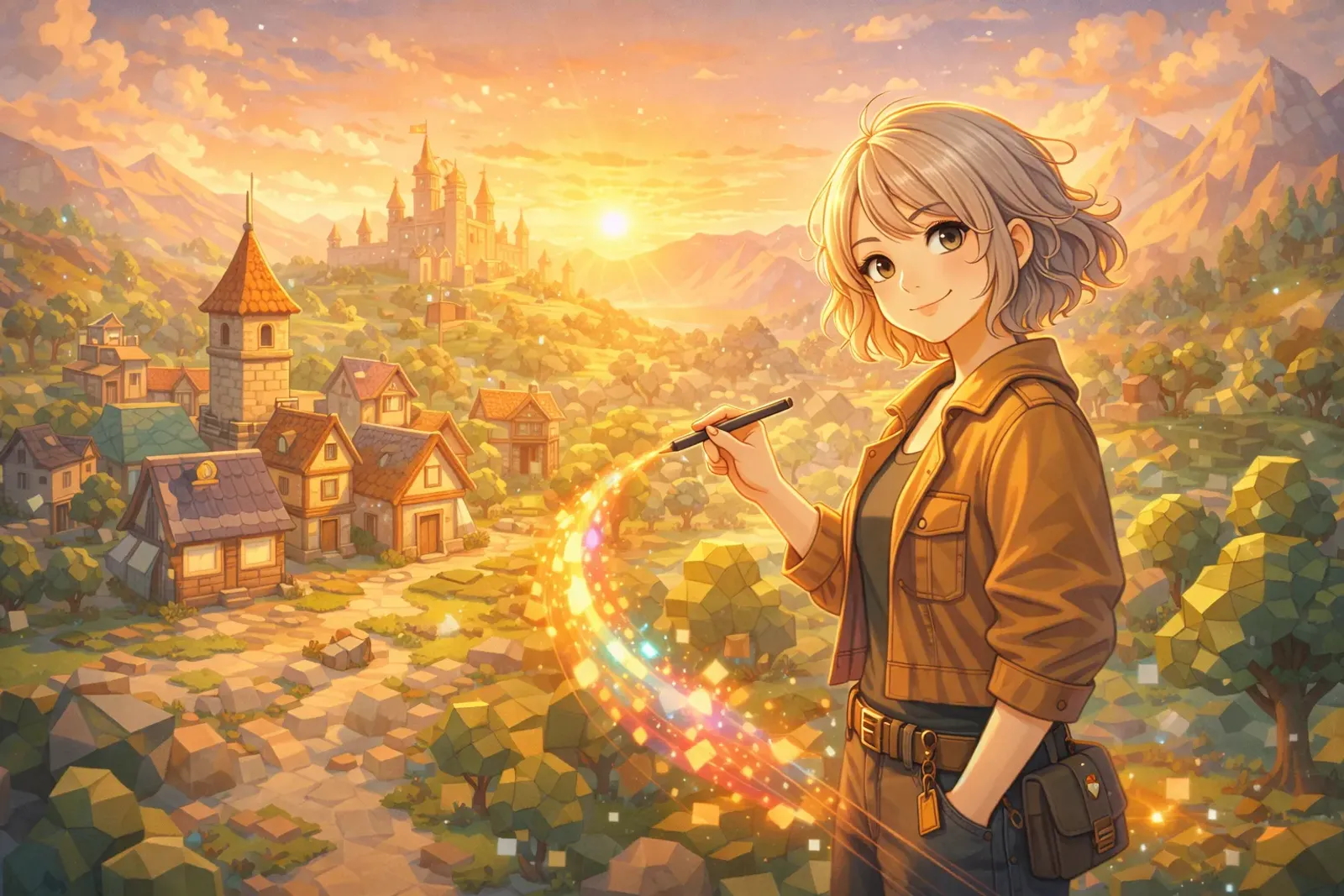
Steam’s New Wave of Indie 3D Visual Trends: Low Poly, Hand-Painted Materials, and Retro Lighting Returns
Early 2026 releases on Steam show a clear pattern in indie 3D visual language: low-poly styles are warming up again, hand-painted materials are back in focus, and retro lighting/post effects are rising as a deliberate artistic choice.
This is more than a taste cycle. It is a production strategy shift driven by delivery pressure, hardware diversity, and storefront competition.
Trend 1: low poly is back, but no longer a “cheap look”
Low poly used to be treated as a budget fallback. Today it is increasingly an intentional style framework with clear silhouette design and readable shape hierarchy.
Why teams like it:
- Controllable geometry budgets and lower cross-platform performance pressure
- Faster iteration from prototype to production
- Easier long-term style consistency for small teams
Its value has evolved from cost-saving into production predictability.
Trend 2: hand-painted materials as a narrative and branding tool
Compared with physically scanned realism, hand-painted materials communicate world tone and identity faster. Many teams now optimize for recognizability over pure realism.
Common techniques:
- Brush-language consistency across characters and environments
- Color-block rhythm to guide player attention
- Deliberate texture noise to preserve handcrafted personality
In highly competitive storefront contexts, this style improves first-glance identity.
Trend 3: retro lighting and post effects are rising again
Many new titles deliberately use “legacy tech feel” as a style asset: limited color range, bloom softness, lower-res shadows, mild tinting, and film grain.
Why this works for indie teams:
- High emotional atmosphere with lower asset complexity
- Better tolerance for scene imperfection
- Natural compatibility with low poly and hand-painted pipelines
For many studios, style-first lighting now delivers better ROI than chasing top-tier realism.
Why are all three trends rising together?
From a production and publishing perspective, the same conditions push all three:
- Compressed schedules require faster content iteration.
- Wide hardware spread rewards stable performance over extreme realism.
- Storefront competition demands immediate visual recognition.
- Live content pressure favors scalable style systems over one-off asset polish.
Together, these trends solve cost, performance, recognition, and maintenance at once.
Practical impact on development teams
Art pipeline: consistency over isolated asset fidelity
Teams increasingly shift KPI focus from single-asset polish to global visual coherence.
Technical pipeline: predictable budgets create production flexibility
Lower geometry and style-driven post-processing make performance planning more stable and reduce late optimization firefighting.
Marketing layer: recognizability becomes a core asset
In Steam’s first impression window, visual distinctiveness often matters more than raw technical specs.
What to watch in the next six months
If this trend continues, likely near-term developments include:
- Better mixed workflows for low poly + hand-painted production
- More reusable retro-lighting presets in small-team pipelines
- Earlier A/B testing of storefront visuals during art pre-production
This means visual design and publishing strategy will become even more tightly connected.
Conclusion
Steam’s new indie 3D visual wave is not a nostalgic rollback. It is a smarter redistribution of limited resources. Low poly, hand-painted materials, and retro lighting rise together because they deliver efficiency, identity, and emotional impact under real production constraints.
For 2026 indie teams, the real question is no longer “How realistic can we look?” but “How consistent, memorable, and sustainable can our visual system be?”