Tribes of Midgard: Co-op Survival Design in a Norse Myth World
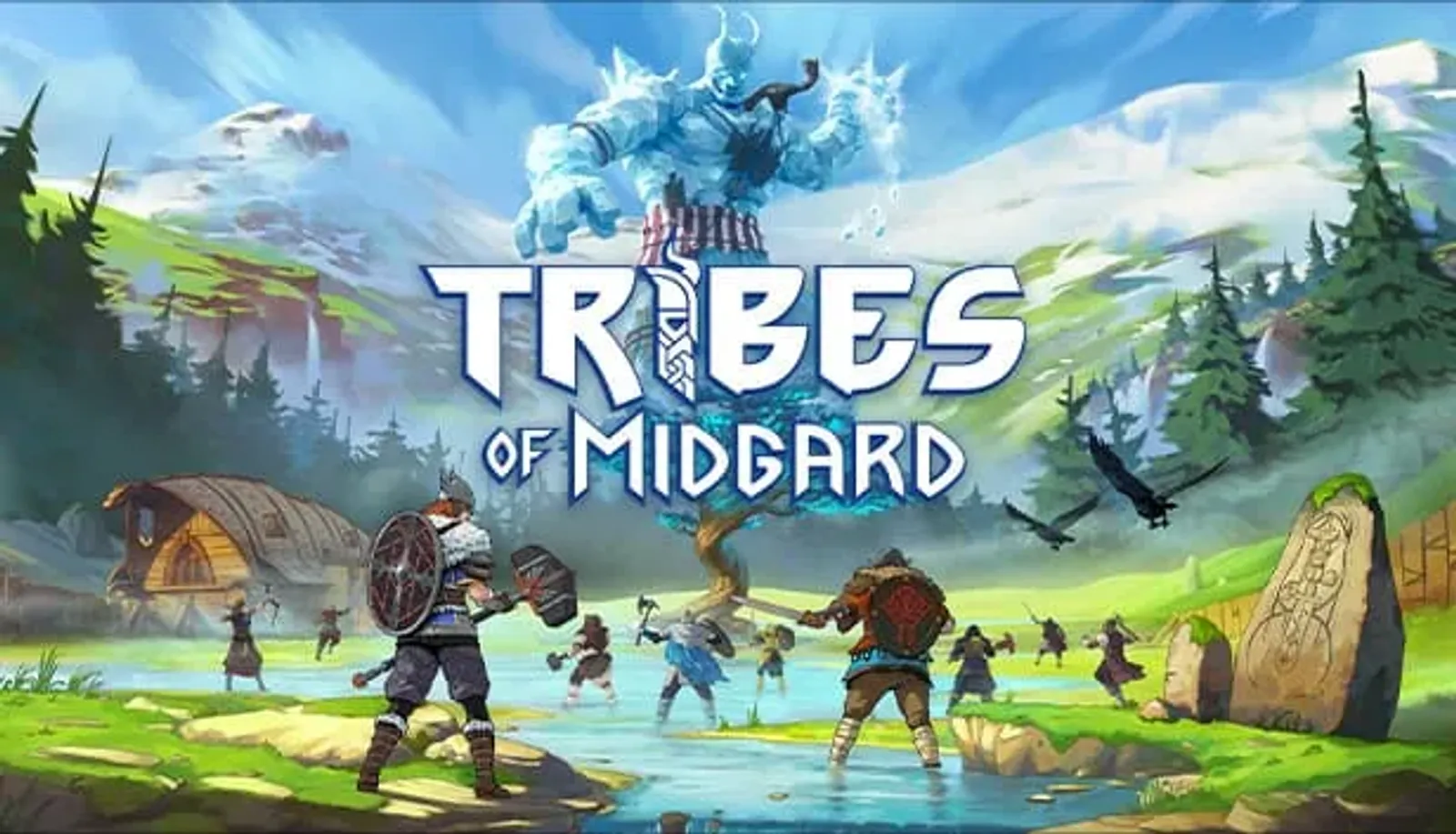
Tribes of Midgard: Co-op Survival Design in a Norse Myth World
1. Product Positioning
Tribes of Midgard is a co-op survival action game built around Norse mythology. Its core experience sits between base-building survival and a lightweight roguelite loop. Players gather resources, craft gear, explore biomes, reinforce their village, and defend the World Tree through escalating night pressure.
Compared with harder punishment-focused survival games, Tribes of Midgard is more team-decision driven than purely punitive. It is also different from loot-first ARPG loops, because moment-to-moment success depends on short-to-mid term planning: when to scout, when to return, and when to convert resources into defense.

2. Core Gameplay Loop
The main loop can be described in four phases:
- Daytime exploration and resource collection: build the economic foundation of a run.
- Village upgrades and crafting: convert resources into combat and defense value.
- Night defense and pressure response: validate daytime decisions under threat.
- Mid-to-late run progression: repel giants, challenge bosses, and extend survival.
From a design perspective, the strength of this loop is that outcomes are legible. Losses usually map to actionable causes such as poor resource allocation, delayed recall timing, or unclear role ownership. This makes the game tense, but still learnable.
3. System Design Analysis
3.1 Clear Role Separation Reduces Co-op Friction
In many co-op games, role overlap creates inefficiency and frustration. Tribes of Midgard naturally distributes responsibilities:
- Scouts gather map knowledge and materials.
- Builders handle village upgrades and supply flow.
- Fighters stabilize high-pressure night defense.
This structure improves coordination and lowers the barrier for newer players, who can contribute meaningfully even before mastering the full system.
3.2 Pressure Curve Is Intense but Teachable
Day-night transitions and giant attacks create a strong time-pressure framework. However, failures usually feel explainable rather than random. That design quality supports replay motivation and iterative improvement.
3.3 Main Onboarding Risk: Early Cognitive Load
Early runs can overwhelm first-time players with simultaneous demands: map routing, economy, crafting, and defensive timing. A fixed-role approach in the first few sessions significantly improves onboarding quality.

4. Social Impact: Why This Game Can Help People
If we define social value as improving collaboration habits, Tribes of Midgard performs well at the systems level:
- It rewards team survival over individual stat dominance.
- It trains practical communication under pressure.
- It gives beginners low-risk contribution paths.
- It encourages knowledge sharing through builds, routes, and strategy discussion.
For friend groups and small communities, this makes it a strong title for building trust and coordination. For creators, it is also a solid teaching game because system discussions are concrete and transferable.
5. Art Direction Breakdown
A major strength of Tribes of Midgard is readability-first stylized art direction:
- Distinct biome color zoning improves map parsing speed.
- Clean silhouette language helps players identify threats and interactables quickly.
- Lighting supports gameplay state changes, especially night danger escalation.
- Norse motifs are modernized enough to stay thematic while remaining approachable.
This is a useful art lesson: stylization is not reduced quality. It is strategic simplification that improves information clarity and emotional tone.

6. Who Should Play and How to Start
Recommended for players who:
- Enjoy co-op survival with clear team roles.
- Like Norse myth themes and stylized 3D visuals.
- Prefer high-pressure loops with visible learning feedback.
Beginner onboarding tips:
- Keep fixed roles for the first three runs.
- Prioritize recall timing and night defense before optimization.
- Use team survival as the first KPI, then optimize speed and risk.
7. Conclusion
Tribes of Midgard stands out through three aligned strengths: executable teamwork, teachable pressure loops, and readable art direction. It is not only entertaining, but also a practical training ground for communication and shared decision-making.
If your goal is to recommend a game that connects people while offering strong art-study value, Tribes of Midgard is a highly suitable pick.
Related Resources:
-
Tribes of Midgard Official Site
- Official updates and game overview
-
Steam Store Page
- Reviews, system requirements, and DLC info
Tags: #TribesOfMidgard #NorseMythology #CoopSurvival #Roguelite #GameCollection #ArtDirection