Ori Series Spotlight: Learning Courage Through Light and Loss
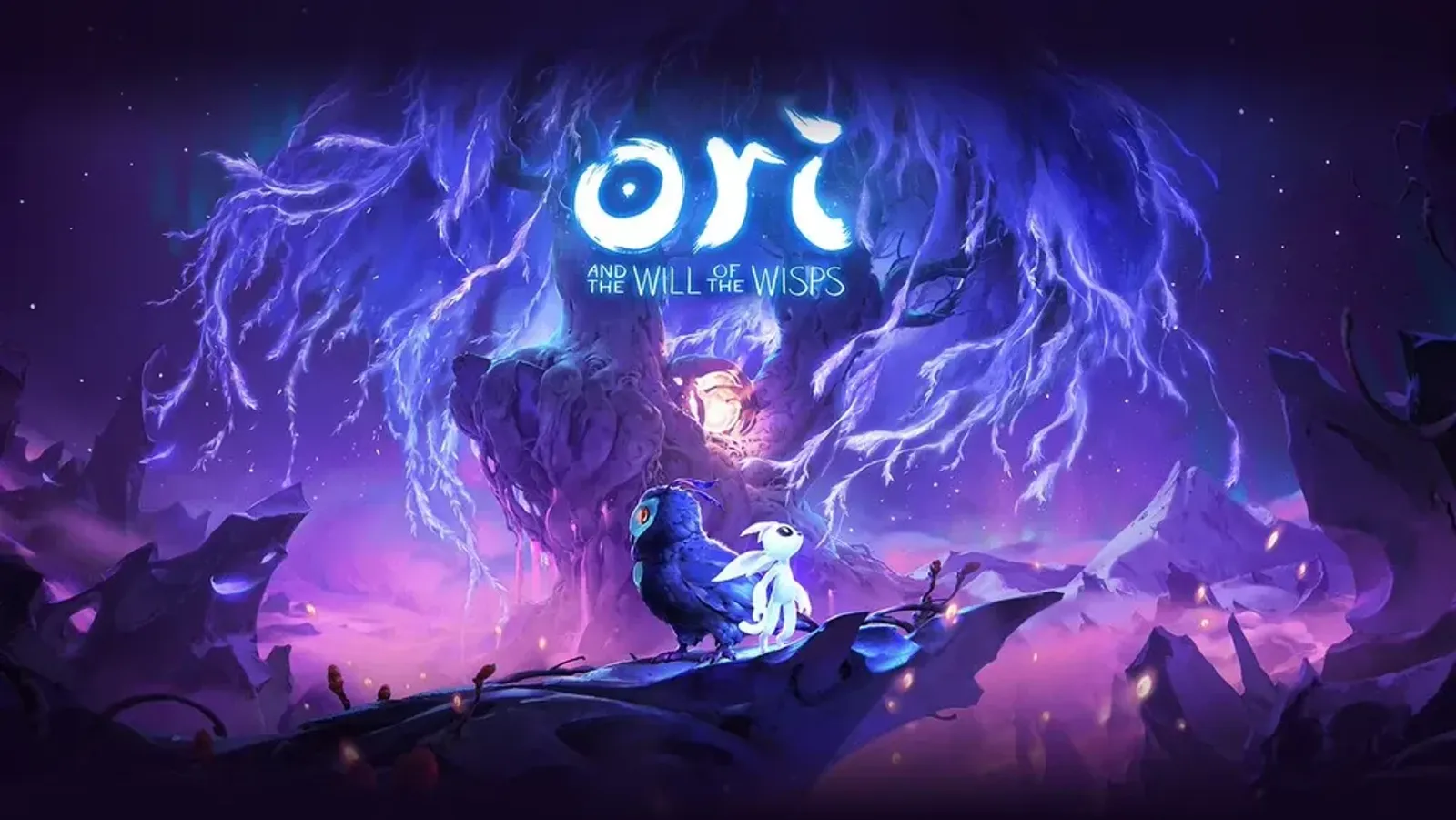
Ori Series Spotlight: Learning Courage Through Light and Loss
Work Overview
If you love games that feel wonderful in your hands, look like animated paintings, and carry real emotional weight, the Ori series deserves a place in your collection.
Most players discuss two titles together: Ori and the Blind Forest and Ori and the Will of the Wisps. Both are 2D action-adventure Metroidvanias, but the real magic is not just map exploration. Ori turns themes like grief, care, responsibility, and renewal into playable feeling through movement, music, and environment.
What makes this series memorable is how little it relies on long dialogue. A jump arc, a dash, a chase sequence, and a quiet musical drop can say everything. It is a style of storytelling that feels gentle but never shallow.

Design Highlights
1. Visual Design and Control Feel Work as One
Ori is instantly recognizable: soft silhouettes, high-contrast lighting, rich parallax layers, and painterly color transitions. But this is not decoration. Visual choices actively support gameplay readability.
Danger zones are signaled through color temperature and motion language. Interactive objects often glow with clear intention. Background depth helps players parse routes at speed. In other words, the art is also interface.
2. Music Carries Narrative Weight
Ori’s soundtrack is one of its strongest design pillars. Exploration cues breathe and open space. Chase cues accelerate your pulse. Reflective story beats settle into slower melodic lines that hold emotional tension without overexplaining it.
This is why Ori often works even for players who are less confident with action-heavy games. The audio direction keeps the experience coherent and emotionally welcoming.
3. Difficulty Feels Demanding but Fair
Ori can be challenging, especially in precision platforming and high-pressure escape sections. Still, failure usually teaches rather than punishes. Restart friction is low, feedback is clear, and successful runs feel earned.
That creates a healthy loop: try, fail, adjust, improve. It mirrors real growth in a way that feels empowering instead of exhausting.
Technical Analysis
From a game design perspective, Ori is an excellent case of aligning exploration structure with emotional pacing:
- Ability-gated exploration loop: new movement skills reopen old regions with fresh paths, reinforcing curiosity and mastery.
- Kinetic identity first: movement chaining (wall jumps, dashes, air control) is polished so deeply that traversal itself becomes joy.
- Environmental guidance over hard UI prompts: shape language, light contrast, and landmark framing reduce waypoint dependency.
- Pressure-recovery rhythm: intense sequences are followed by calm spaces, preventing emotional fatigue.
For creators, a practical takeaway is clear: define how the game should feel every few seconds, then let visuals and narrative reinforce that rhythm.

Creative Process
If we reverse-engineer Ori from player experience, we can infer a layered creative pipeline:
First, movement prototype maturity: lock in running, jumping, and aerial control until pure traversal already feels satisfying. Second, level-art co-development: environments are not painted after level logic; visual composition is part of flow design from early blocks. Third, music as pacing architecture: score progression is timed to match mechanical intensity and narrative transitions.
This cross-discipline consistency is why Ori feels cohesive. It is not a single standout feature, but many systems tuned toward the same emotional direction.
Insights & Learning
Ori leaves practical lessons for both players and creators:
- Soft aesthetics can still support deep challenge.
- Empathy can be designed through interaction, not only dialogue.
- Repetition with clear feedback builds confidence and resilience.
For teams that want to create work that genuinely helps people, Ori is a strong reminder: meaningful impact often comes from careful details that make players feel seen, supported, and capable.
Related Works
If Ori resonates with you, these are great follow-ups:
- Hollow Knight: deeper world density and tougher combat cadence.
- GRIS: art-forward emotional journey with low mechanical pressure.
- Celeste: precision platforming paired with a heartfelt growth narrative.
Conclusion
Ori is a rare series that satisfies both sides of the audience: players who crave exacting movement and players who seek emotional storytelling. Through light, motion, and music, it shows that courage is not about never falling. It is about choosing to move forward with kindness after every fall.
If you are looking for a game that can calm your mind while reigniting your momentum, Ori is an excellent pick. It is more than an adventure. It is a quiet invitation to keep growing and keep giving warmth to others.
Related Resources:
-
Ori Official Site
- Official updates and franchise overview
-
Ori and the Will of the Wisps
- Xbox store page with version details
-
Steam Store Page
- Reviews, specs, and platform info
Tags: #Ori #Metroidvania #ActionAdventure #GameCollection #EmotionalNarrative #IndieGame