Daughter of the Volcano Review: Finding the Self Through Family Duty and Small Acts of Good
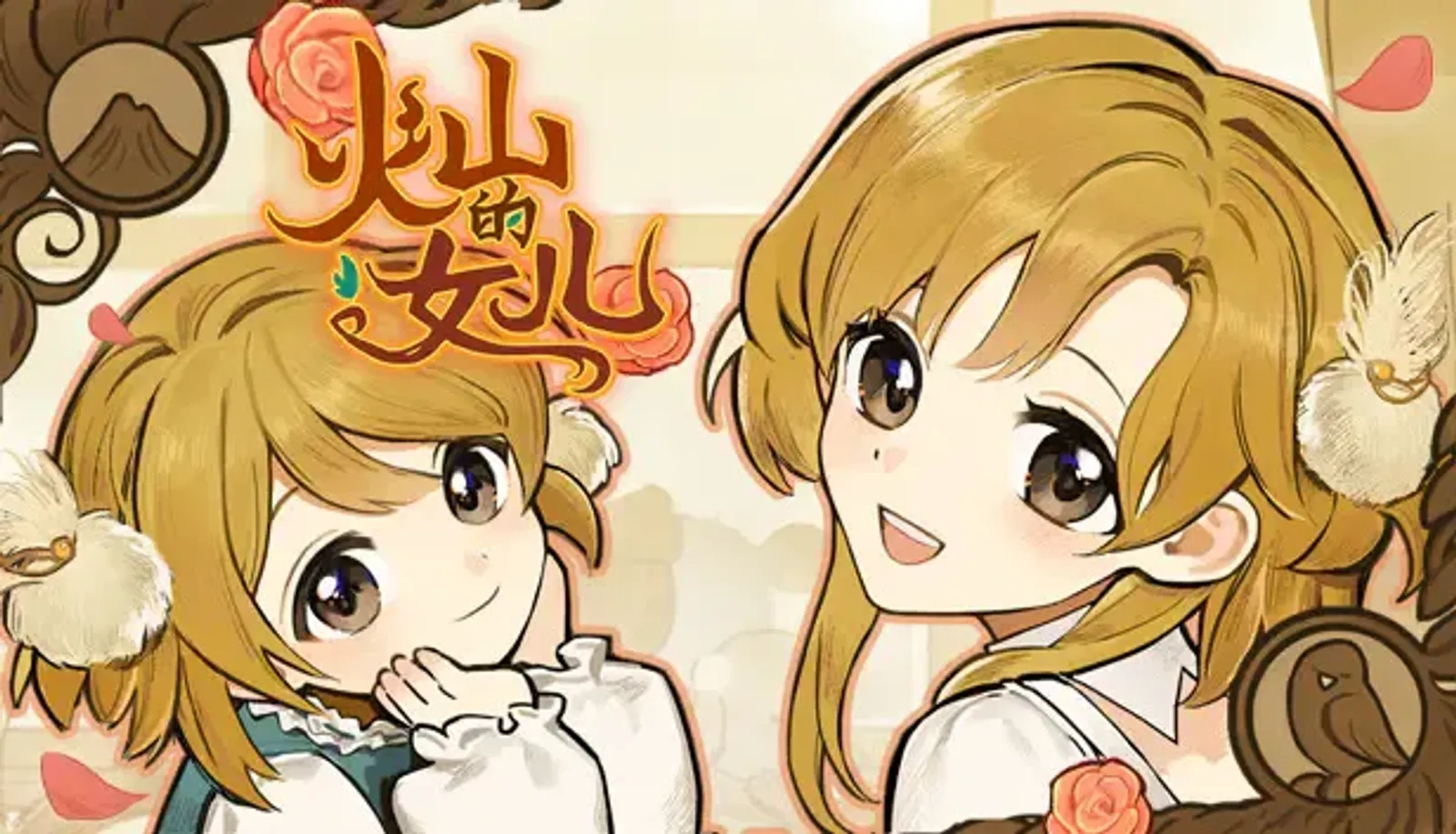
Daughter of the Volcano Review: Finding the Self Through Family Duty and Small Acts of Good
Work Overview
Daughter of the Volcano is an indie story-driven adventure about a young girl trying to find her own path while inheriting her family’s role as guardians of the volcano.
This is not a story about saving the world through spectacle. It is a warmer and more intimate story about family expectations, personal dreams, responsibility to the local community, and learning how to love and be loved while holding all of those pressures together.
The game’s core promise is beautifully grounded: growing up does not mean betraying your family. It means carrying forward their care for others in your own way. Through daily interactions, meaningful choices, and slowly deepening relationships, the game lets players feel that true responsibility begins with love.
What I admire most about Daughter of the Volcano is that it never judges the player for choosing one path over another. Every decision leads to a different kind of warmth or regret, and every small kindness is remembered by the community later. That subtle cause-and-effect design gives real weight to player choice.

Design Highlights
1. A Gentle Family Narrative Where Duty Feels Like Connection
Many games turn family expectations into pure pressure or conflict. Daughter of the Volcano takes a more humane route.
The heroine’s grandmother and parents are not framed as enemies standing in the way of her future. They each carry warmth of their own. Her grandmother’s concern is not “you must protect the volcano,” but rather “I hope you live well, and carry our love into the world.” Her father worries, but that worry is rooted in care.
This is where the writing becomes especially strong. It helps players understand that family expectation and self-realization do not have to cancel each other out. Responsibility can be another language of love.
When the player eventually chooses to protect the volcano and help the community in a way that feels personally meaningful, it does not feel like surrendering to family pressure. It feels like extending the family’s kindness through an individual voice.
Players who have struggled under family expectations may find genuine comfort here. The game quietly suggests that maturity is not escape. It is becoming yourself with understanding and love still intact.
2. Fine-Grained Community Interaction Where Every Kindness Matters
One of the game’s best ideas is that progress is not defined mainly by checkpoints or level gates, but by the depth of your relationship with the community.
Whenever you stop to help a villager, fulfill a small wish, or simply sit at dusk and listen to an elder’s story, the game is keeping track. These are not mandatory tasks. They are voluntary acts of care chosen by the player.
More importantly, those small acts return at crucial moments in the story. When the heroine faces difficult decisions, the people she once helped respond in their own ways. This does not feel like a mechanical reward system. It feels like the natural consequence of being someone the community trusts.
That creates a powerful emotional experience: you do good not because the system pays you, but because empathy feels right. Then the world answers with warmth.
For players used to constant scoring, ranking, and optimization, this design feels unusually healing.
3. Branching Growth Paths Without a Single Correct Answer
Daughter of the Volcano offers multiple narrative routes, but they are not built to invalidate each other. The heroine can become reflective and inward-looking, or bold and action-driven. She can root herself deeply in her hometown, or explore a broader world while keeping her bonds intact.
The key point is that the game never implies one path is morally superior. A player who embraces family duty and a player who reshapes the community through innovation both receive meaningful stories.
That matters, especially for younger players. The game tells them: you do not need to imitate someone else’s growth path. Your way can be the right one.

Narrative Depth
A Warm Language for Intergenerational Inheritance
The game smartly avoids a simplistic “old generation versus new generation” framework. The grandmother is not rigid, the father is not oppressive, and the community is not a prison.
Each generation is simply trying to love and protect others in its own way. The deeper question the game asks is this: how do I respect the past while still choosing a path that belongs to me? How do I turn inherited love into my own strength and responsibility?
That question resonates strongly with players standing at transition points in life, especially those entering university, starting work, or facing major personal decisions.
Community as Both Comfort and Responsibility
In Daughter of the Volcano, the community is not just background decoration. It feels alive. Every villager has worries, dreams, and a story of their own. The heroine’s interactions with them gradually weave a social fabric.
The deeper design insight is that the community needs you not because of a title assigned to you, but because you choose to care. When the heroine realizes she can improve other people’s lives, responsibility stops feeling imposed from outside. It becomes a voluntary expression of love and agency.
For players used to carrying duty passively, this is a meaningful shift. Responsibility is no longer heavy and external. It becomes a way to care for others while also becoming more fully yourself.
Insights and Learning
Daughter of the Volcano offers several strong lessons for both creators and players.
1. Responsibility Can Be Warm
Many stories present responsibility as a source of frustration or sacrifice. This game shows that responsibility can also be a bridge of connection. Once a person understands that their actions can improve the world around them, responsibility becomes a source of belonging and meaning.
2. Intergenerational Dialogue Does Not Need to Be Conflict
Many works force tradition and the younger generation into direct opposition. Daughter of the Volcano shows a more truthful possibility: a girl can honor her family’s roots while still stepping into a life shaped by her own choices.
3. Small Acts of Good Have Real Power
At a time when stories are filled with world-saving spectacle, Daughter of the Volcano reminds players that change often begins with small, consistent acts of goodness. Listening, helping, trusting, showing up. These are what accumulate into a warm community.
4. Give Players Freedom Instead of One Best Answer
Branching narratives often push players toward the “optimal” route. Daughter of the Volcano avoids that trap because it never suggests that one choice is more valid than another. Every path has dignity. That freedom lets players choose honestly instead of strategically optimizing their feelings.
Closing
Daughter of the Volcano feels like a gift for anyone who has struggled between becoming themselves and carrying responsibility. It quietly tells players: you can care deeply for others and still stay true to yourself. Love is not a multiple-choice test. It is something you practice in your own way.
If you are standing at an important life crossroads, or thinking about your relationship with family, this game offers warm companionship through story. It does not hand you a final answer. It simply reminds you that any choice rooted in love deserves to be seen.
Best for Players Who
- Feel pressured by family expectations
- Want emotional companionship and story-driven resonance
- Enjoy character-focused adventure games
- Prefer warm, non-competitive game experiences
Best Mindset for Playing Do not rush to finish. Stop and talk to the villagers. Listen to their stories. Make the choices that feel right to you. The best experience comes from sincere attention and genuine care.