Civilization VI Design Deep Dive: How History and Gameplay Merge into Long-Term Immersion
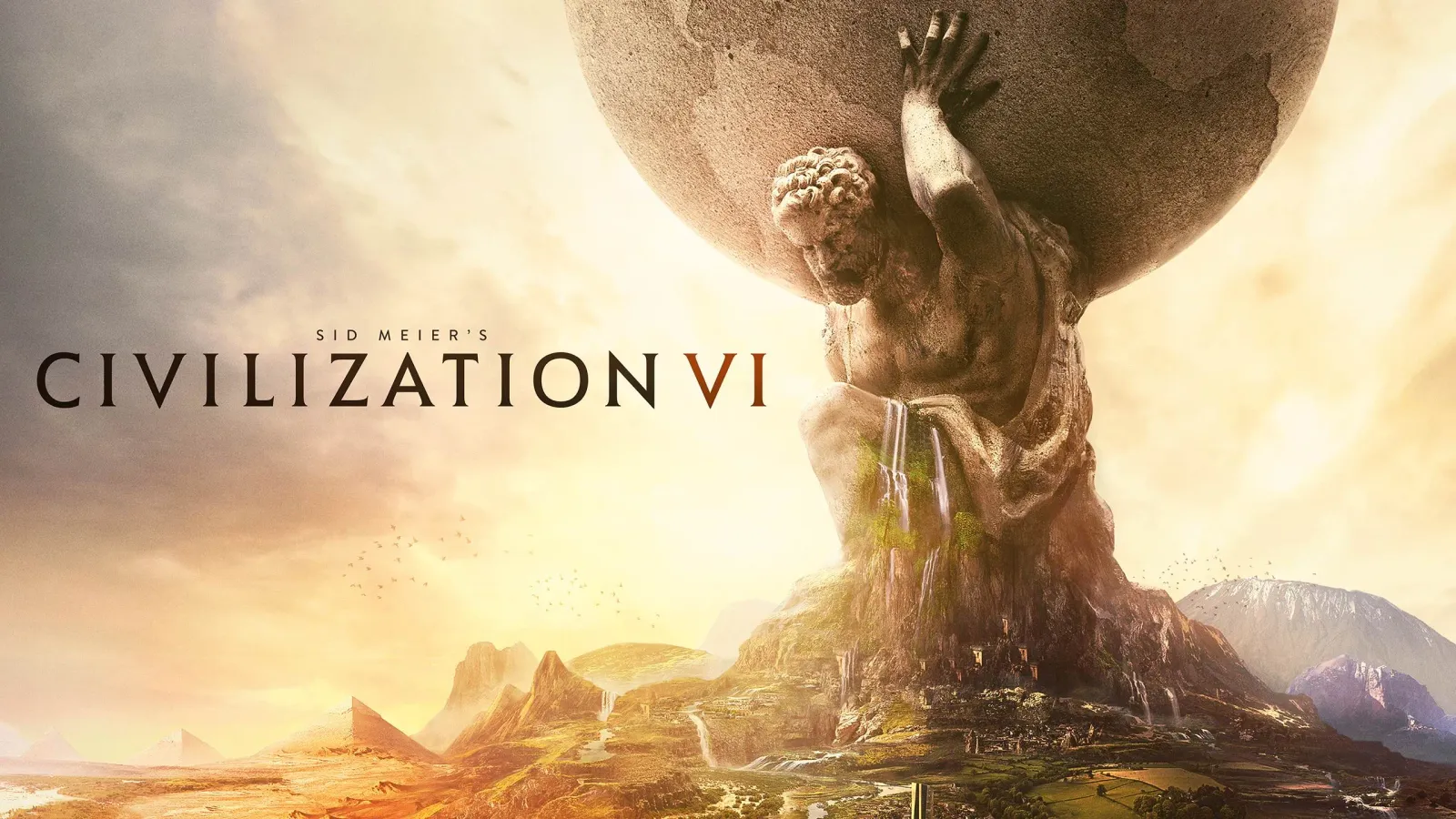
Civilization VI Design Deep Dive: How History and Gameplay Merge into Long-Term Immersion
Work Overview
Civilization VI by Firaxis Games (2016) has become the benchmark for 4X strategy games—a term shorthand for Explore, Expand, Exploit, Exterminate. Over a decade, it has proven something many doubted: that complex systems and historical themes can coexist, even strengthen each other.
The game’s core promise is straightforward: pick a real historical civilization, lead it from the Ancient Era through the Modern Era, and achieve one of five victory types. But the true brilliance lies deeper—every playthrough generates a unique story because of civilization traits, map variance, and actual strategic choices.
What makes Civilization VI remarkable is that it validates a core design truth: historical setting should feel earned, not decorative. When you build the Great Library, it’s not just a game object—it connects to something real. When you choose diplomacy over conquest, the in-game relationships reflect actual geopolitical patterns.
Design Highlights
1. Era Progression as Visual Storytelling
One of Civ VI’s most underrated design choices is how aesthetics shift with era advancement. The game draws a visual line at the Industrial Era: everything before uses natural materials and simple geometry; everything after adds steel, railways, and electricity. All buildings, terrain effects, and UI colors migrate across this threshold.
Watching your capital transform from ancient stone walls to railroads cluttered with factories to towering skyscrapers is the progress bar. Players don’t read “Turn 287/500”—they see their civilization’s physical evolution and internalize it instantly.
2. Civilization Traits as Character Design
The 48 playable civilizations each feature distinct abilities, unique buildings, and unique units. This transforms one game into 48 fundamentally different game experiences.
Egypt’s pyramid bonus naturally guides toward cultural victory. Japan’s fortress defensibility suggests defensive strategy. Scythia’s cavalry swarms hint at rapid military expansion. This is not balance adjustment for its own sake—it’s using mechanics to express historical civility traits.
By playing special abilities, players naturally internalize why each civilization holds strategic advantages and disadvantages in history. The game teaches geopolitical reality through pure gameplay consequence.

3. Five Victory Paths as Narrative Branches
Five victory conditions—Science, Culture, Religion, Diplomacy, Military—aren’t competition. They’re five distinct human achievement narratives.
- Science Victory: Rational progress and collective imagination toward the future
- Cultural Victory: Soft power radiating civilizational influence
- Religious Victory: Belief systems reshaping society and hearts
- Diplomatic Victory: Coalition-building and political negotiation
- Military Victory: Direct expression of terrestrial dominance
Players aren’t forced into one path. Rather, civilization traits and game events naturally guide toward a victory type, making each story feel customized rather than railroad-tracked.
Technical Analysis
Terrain and Resources as Strategy Grammar
Civ VI’s maps are never purely decorative. River placement, mountain ranges, strategic resources—each tile cascades into strategic consequence. A landlocked civilization struggles with naval warfare. Civilizations without horses face military disadvantage. Desert-bound empires must compensate through commerce or culture.
This design philosophy translates historical geography into gameplay constraint. Players learn why certain regions historically dominated: not from a text box, but from experiencing scarcity.

Technology Trees and Policy Flexibility
With 90+ technologies and 100+ government policies, Civ VI provides genuine path multiplicity. One civilization can speedrun toward militarism or slow-burn toward cultural dominance. Systems offer freedom while historical context offers guidance—players navigate between them.
The genius is that neither choice feels imposed. Aggressive expansion works, as does peaceful cultural dominance. History here provides strategic options, not predetermined railroads.
Creative Process and Design Philosophy
Firaxis’s unified philosophy: Civilization isn’t an encyclopedia; it’s a game board of history. Each civilization ability, each victory archetype, each era is a chess piece. Players have 200-300 turns to organize these pieces into a narrative.
Key insights for creators:
- Narrative can be implicit. Civ VI rarely lectures about history; instead it lets players understand through strategic consequence
- Constraints generate meaning. Resource scarcity, technological sequencing, terrain difficulty—these force decisions that create organic stories
- Design for long-term play. Civ VI’s single game spans 8-12 hours, allowing players deep time to grasp long-term consequences of choices
What Civilization VI Observes About Human Society
Though Civilization VI is a game model, its systems reflect genuine historical patterns:
- Infrastructure (agriculture, trade routes) precedes all higher achievements
- Both military defense and cultural soft power matter, though culture proves more durable long-term
- Different achievement paths can coexist, compete, and cooperate
These truths transform players into amateur historians and sociologists. Every decision echoes real historical causality.
Related Works and Extensions
If Civ VI captivates you, compare how other titles approach history and systems:
- Total War Series: Prioritizes tactical battle feedback alongside grand strategy—another way to dramatize history
- Crusader Kings: Shifts perspective from civilization to individual dynasty members—a more granular historical lens
- Hearts of Iron IV: Zooms into the Modern Era as a dedicated focus, like a closeup of Civ’s final chapters
Conclusion
Civilization VI’s enduring appeal over a decade stems from a design insight: a great history game doesn’t recreate history—it lets players experience the logic of historical systems through gameplay.
Limited resources, endless time pressure, irreversible decisions, competing stakeholders. These game rules echo genuine patterns of imperial rise and decline. The game carries no preachy historical background, yet every playthrough becomes an authentic human civilization story.
For anyone interested in strategy games, historical narrative design, or how systems encode meaning, Civilization VI remains one of the most worth studying and experiencing deeply.
Related Resources:
-
Civilization VI Official Website
- Latest DLC and game updates
-
Civilization VI Strategy Wiki
- Detailed civilization traits and victory path guides
-
Civilization Community Reddit
- Active player discussion and strategic advice
Tags: #CivilizationVI #4XGames #StrategyGames #GameDesign #HistoricalNarrative #Firaxis