Rhythm Doctor Collection Pick: A Rhythm Game That Helps People
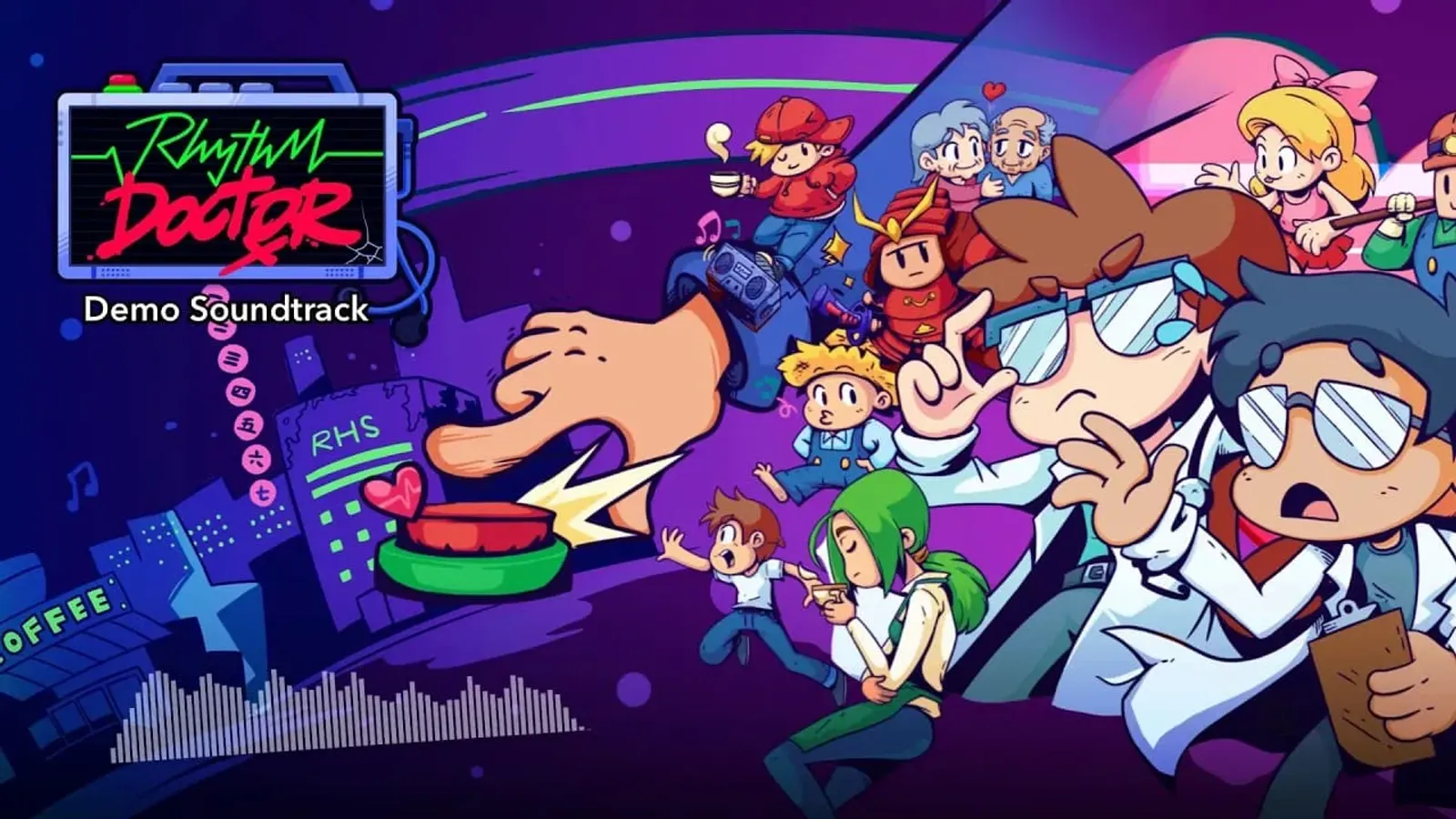
Rhythm Doctor Collection Pick: A Rhythm Game That Helps People
Work Overview
Rhythm Doctor is one of the few games I recommend not only because it is fun, but because it genuinely helps people. It uses simple controls, clear rhythm language, and warm storytelling to welcome players who might normally feel excluded from rhythm games.
Its biggest strength is accessibility with dignity. Beginners can enter confidently, experienced players still find depth, and both groups feel respected by the design. That is why this game belongs in a long-term collection list, not just a “played once” list.
Three highlights stand out immediately: smooth Chinese voice acting, music that is both catchy and emotionally supportive, and cute story moments that create real warmth. Together, they make Rhythm Doctor feel less like a challenge machine and more like a positive space people can return to.

Design Highlights
1. Smooth Chinese voice acting lowers entry barriers
Localization quality directly affects whether players stay. In Rhythm Doctor, Chinese voice acting sounds natural in pacing and emotion. Lines feel spoken by characters, not translated scripts. This matters because immersion starts with understanding.
When players do not need to fight language friction, they can focus on rhythm, story, and emotional flow. That makes the game easier to recommend across different age groups and different gaming backgrounds.
2. Great music creates a positive emotional loop
The soundtrack is not decorative. It is structural. Every track supports timing readability while keeping a strong identity. Players are not just pressing keys; they are syncing with a musical pulse that feels meaningful.
That pulse creates a practical benefit. After stressful work or study, players can enter a short, predictable rhythm cycle and rebuild focus through repetition and small wins. The game provides challenge, but it also provides emotional regulation.
3. Cute story beats provide companionship
Rhythm Doctor does not force heavy drama. Instead, it uses small, charming interactions to build attachment. Character moments are brief but memorable, and they appear at the right pacing intervals between high-intensity gameplay sections.
The result is emotional balance. Players are challenged, then gently reset. In a fast and anxious daily life, this kind of soft companionship is valuable.

Technical Analysis
From a design perspective, Rhythm Doctor helps people because of deliberate system choices.
-
Single-input core design. Low control complexity reduces beginner anxiety without removing depth.
-
Stable audio-visual timing feedback. Players can understand why they succeeded or failed, which lowers frustration.
-
Synchronized narrative pacing. Story moments are used as recovery buffers between pressure segments.
These choices create a rare balance: the game remains challenging, but it does not punish players for learning. That is inclusive design in action.
Creative Process
Looking at the experience curve, the game feels carefully staged.
- Build confidence with clear baseline rhythm.
- Add variation gradually to maintain engagement.
- Insert story interactions to regulate emotional pressure.
- Deliver payoff with musical peaks and clean feedback.
This is why the game feels fair. Difficulty increases, but trust stays intact. Players keep trying because the game communicates clearly and rewards growth.
Insights and Learning
Rhythm Doctor demonstrates an important principle for creators: high quality is not just polish, it is reach.
- Design for entry first, mastery second.
- Treat localization and voice acting as core experience, not extras.
- Let challenge and care coexist in the same product.
If content is meant to benefit people, it should reduce avoidable barriers, support emotional resilience, and create repeatable moments of achievement. Rhythm Doctor does all three.

Related Works
If you enjoy rhythm games that combine clarity, personality, and player-friendly structure, these are excellent follow-ups.
-
A Dance of Fire and Ice
- Clear rhythm rules and strong focus.
-
Wandersong
- Music-driven storytelling with warmth.
-
Just Shapes & Beats
- Distinctive audiovisual rhythm presentation.
Conclusion
Rhythm Doctor deserves a place in a serious collection because it puts people first. Smooth Chinese voice acting improves access. Strong music supports both gameplay and mood. Cute stories add companionship and emotional texture.
When a game lowers entry barriers, reduces frustration, and helps players leave with better focus and confidence, it does more than entertain. It creates social value. That is why Rhythm Doctor is a game worth keeping and recommending.
Related Resources:
-
7th Beat Games Official Site
- Team and game information
-
Rhythm Doctor on Steam
- Store page and user reviews
-
Rhythm Doctor OST
- Soundtrack previews and community uploads
Tags: #RhythmDoctor #RhythmGame #ChineseVoiceActing #GameMusic #Healing