Balatro Art Direction Breakdown: Why This Poker Roguelike Looks So Addictive
Balatro Art Direction Breakdown: Why This Poker Roguelike Looks So Addictive
Work Overview
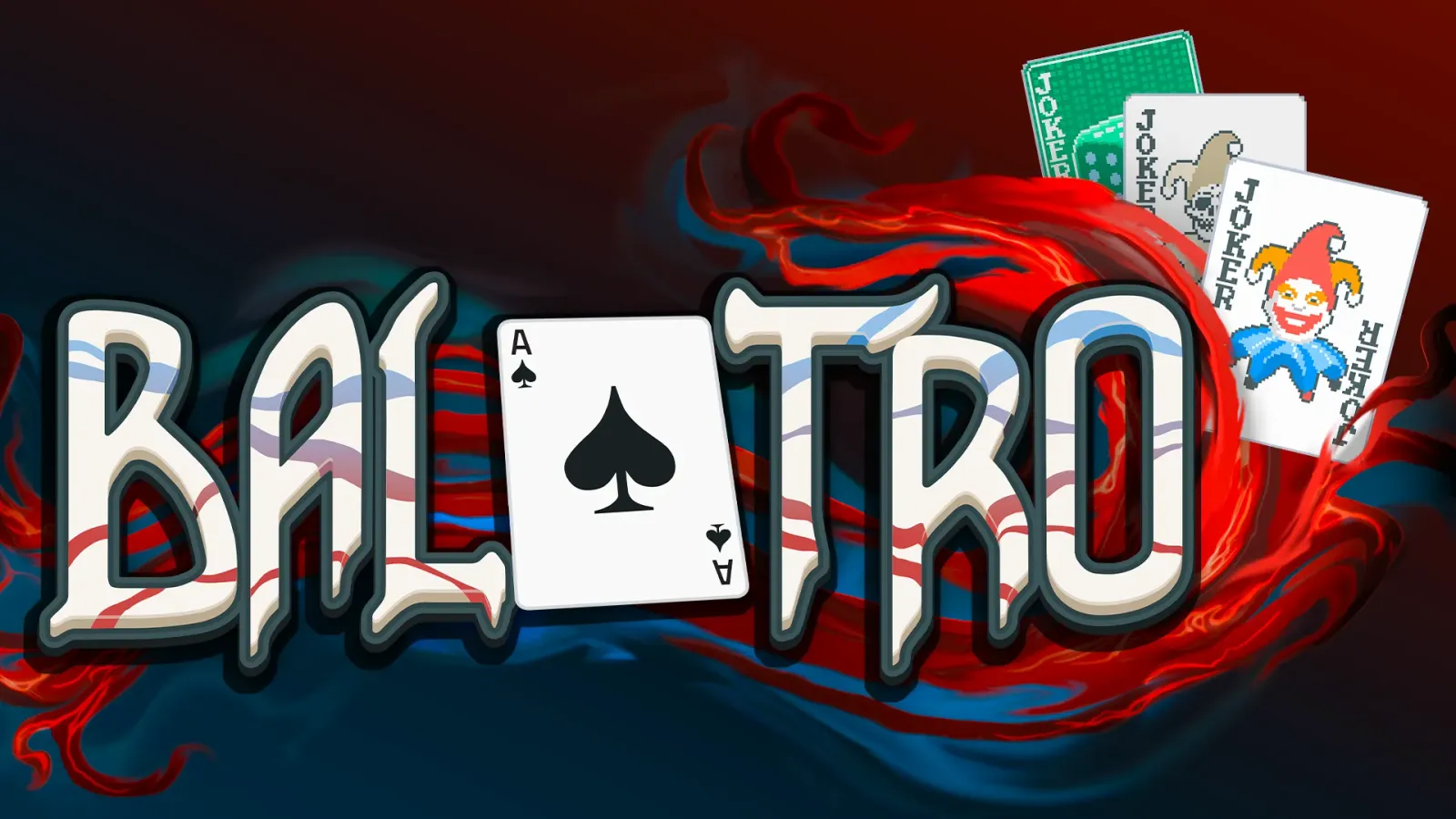
Balatro is an indie deckbuilding roguelike by LocalThunk that takes familiar poker rules and transforms them into a highly replayable scoring strategy game. Mechanically, it is elegant. Visually, it is even more impressive than many people first realize.
At a glance, the game looks simple: cards, chips, multipliers, and a dark table background. But this minimal setup hides an unusually precise visual language. Every color cue, motion pulse, and text hierarchy serves one goal: helping players understand value changes instantly while still feeling the thrill of escalation.
Balatro proves that great visual design in card games is not about decorative complexity. It is about building a readable feedback machine where decision-making, excitement, and identity all reinforce each other.

Design Highlights
Retro Casino DNA with Modern Clarity
Balatro borrows visual memories from classic casino and arcade spaces: dark backgrounds, saturated accent colors, glowing UI moments, and punchy typography. Yet it does not feel old-fashioned. The presentation is cleaner, faster, and more gameplay-centered than nostalgic imitation projects.
This hybrid direction works because it keeps only what supports the core loop:
- Strong contrast between table space and interactive cards
- Bright, high-priority number displays for score and multipliers
- Purposeful glow and flicker effects that highlight key events
The result is a strong aesthetic identity without compromising operational readability.
Visual Rhythm that Matches Roguelike Tension
Balatro’s pacing is built on probability, risk, and scaling. Its visual language follows that structure:
- Calm baseline states while evaluating hand options
- Escalating flashes and movement when scoring chains trigger
- Distinct high-impact moments when builds spike in power
This rhythm matters. Players do not just see numbers increase; they feel momentum building. That emotional pacing is a major reason Balatro sessions feel “one more run” addictive.
Card-Centric Composition Discipline
Many digital card games overload the screen with board ornaments and layered effects. Balatro stays card-centric. The player’s eye returns to hand composition, Joker interactions, and score output with very little friction.
Because composition remains disciplined, the game supports high-speed decision cycles without visual fatigue.
Technical Analysis
Color Hierarchy and Information Priority
Balatro uses color as a strict information system rather than pure style. Distinct hue categories communicate state and urgency:
- Neutral tones for baseline interface surfaces
- Bright active tones for selected or scoring elements
- High-intensity highlight colors for exceptional events
This prevents ambiguity in fast turns. Players can read what matters first, then process details.
Motion Feedback and Reward Signaling
The game’s micro-animations are short, readable, and rewarding. Scoring pops, multiplier expansions, and triggered effects deliver immediate confirmation without hiding the next action.
Good feedback design appears in three layers:
- Instant confirmation that an action registered
- Clear indication of magnitude (small gain vs big spike)
- Fast return to decision-ready state
Balatro executes all three consistently.
Typography and Number Legibility
In score-driven games, typography is mechanics. Balatro treats large numbers as gameplay objects:
- High contrast numeric displays with strong visual anchors
- Size and motion changes tied to value significance
- Stable layout zones that reduce search time
This lets players track growth patterns and evaluate build efficiency in real time.
UI Architecture for Long Sessions
Roguelikes demand repeated runs, so interface fatigue becomes a critical issue. Balatro avoids this through compact hierarchy:
- Primary metrics stay visible and predictable
- Secondary information appears when relevant, then recedes
- Interaction targets are clear, reducing misclick friction
The UI is not flashy for its own sake. It is optimized for sustained strategic flow.

Creative Process
Strong Constraints, Strong Identity
Balatro feels coherent because the visual system appears constraint-driven. The team did not chase maximal visual variety. Instead, it kept a narrow style envelope and polished it deeply.
A practical reconstruction of that mindset:
- Keep cards and numbers as the visual center
- Make every effect support score comprehension
- Preserve thematic tone through consistent palette and glow behavior
This discipline creates a highly recognizable look with relatively modest asset complexity.
Effect Budgeting by Gameplay Value
The game demonstrates excellent effect budgeting. High-intensity visual treatment is saved for moments with real strategic or emotional payoff.
That means:
- Routine actions stay clean and fast
- Important triggers receive emphasis
- Peak runs feel explosive without becoming unreadable
For indie teams, this is a key lesson in where visual effort produces maximum return.
UX and Art Direction Working as One System
Balatro’s strongest production decision is integrating UX with style. Colors, motion, and layout are not independent layers made by separate priorities. They are one communication system designed around player decisions.
This is why the game remains accessible to new players while still feeling rich to experienced theorycrafters.
Insights & Learning
Why Balatro’s Visual Design Works
Balatro succeeds because it aligns visual choices with its mechanical identity:
- Fast readability supports tactical hand planning
- Controlled spectacle reinforces reward without noise
- Strong hierarchy protects decision speed
- Cohesive retro-modern style builds brand memory
In short, it is a masterclass in functional style.
Practical Lessons for Card and Roguelike Teams
- Prioritize score and state readability before decoration.
- Use color categories as information language, not just mood.
- Keep animations short and meaning-driven.
- Reserve high-intensity effects for high-impact events.
- Make typography part of interaction design.
- Design UI for session durability, not trailer screenshots.
These principles apply even if your game has a different theme or mechanic set.
Common Mistakes Balatro Avoids
- It avoids effect spam that hides strategic information.
- It avoids style inconsistency between menus and gameplay.
- It avoids overloaded board presentation that weakens card focus.
- It avoids unclear number hierarchy in high-scaling moments.
Studying these avoided mistakes can immediately improve card game prototypes.
Related Works
If you want to compare different card-game visual philosophies, these are useful references:
- Slay the Spire: minimalist card clarity with strong decision pacing
- Inscryption: atmosphere-heavy presentation with narrative-first framing
- Luck be a Landlord: slot-based visual feedback and escalation loops
Comparing these titles helps clarify how visual systems should adapt to game tempo and information density.
Conclusion
Balatro demonstrates that visual excellence in card roguelikes does not require enormous art pipelines. With disciplined hierarchy, precise feedback timing, and a consistent style language, a small team can build a highly memorable and highly readable game.
For players, this creates smooth decision flow and satisfying reward escalation.
For developers, Balatro is a blueprint for turning visual restraint into a competitive advantage.
Related Resources:
-
Balatro Official Website
- Official updates and platform links
-
Balatro on Steam
- Store page and player reviews
-
LocalThunk
- Developer information
Tags: #GameDesign #VisualDesign #CardGame #Roguelike #Balatro #UIUX