Northgard Visual Design Analysis: Nordic Survival Strategy with Readable RTS Craft
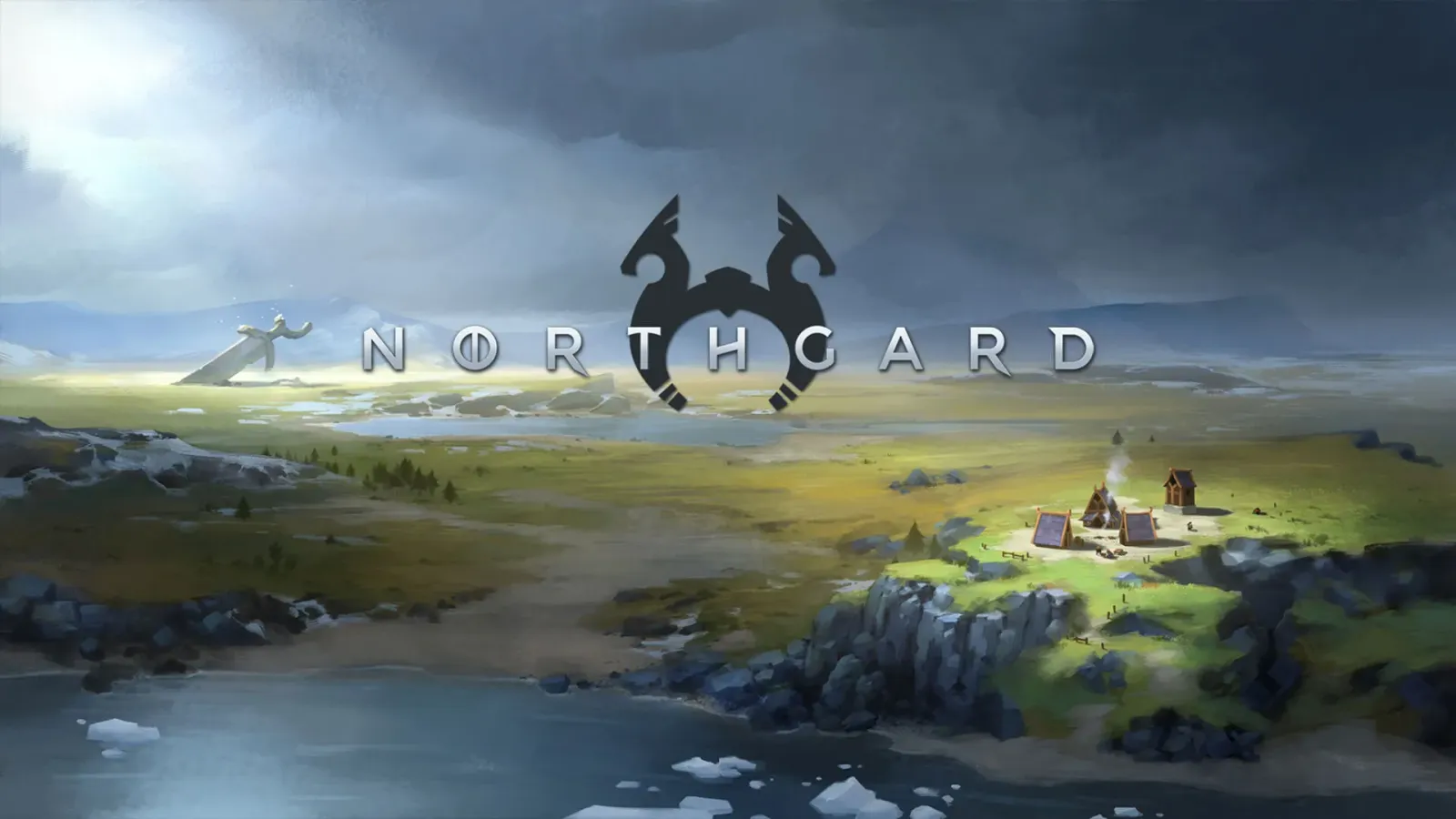
Northgard Visual Design Analysis: Nordic Survival Strategy with Readable RTS Craft
Work Overview
Northgard, developed by Shiro Games, is a real-time strategy game built around Norse mythology, clan expansion, and seasonal survival pressure. At first glance, it appears minimalist compared with many modern strategy titles, yet that simplicity is exactly why its visual design works so well in long sessions.
The game does not chase hyper-detail for screenshots. Instead, it prioritizes operational clarity: players must read territory borders, worker states, threats, and winter constraints in seconds while managing economy and military timing.
What makes Northgard visually strong is its balance between atmosphere and function. Snow, fog, coastline, and forests create a distinct Nordic mood, but they never fully obscure gameplay-critical information.
For strategy developers, this game is a useful case study in how to keep an RTS readable without sacrificing personality.

Design Highlights
Stylized Realism with Practical Restraint
Northgard sits between cartoon stylization and grounded realism. Buildings and units are stylized enough to remain readable at gameplay zoom levels, but textures and environmental palettes still suggest harsh northern climates.
This middle-ground style helps in three ways:
- Unit silhouettes stay recognizable during crowded skirmishes.
- Structure categories are easy to distinguish in developed zones.
- The world keeps a coherent identity across different biomes.
Instead of relying on visual spectacle, Northgard relies on consistency and operational trust.
Seasonal Mood as Core Identity
Many strategy games treat weather as decoration. Northgard uses seasonal shifts as a core part of both systems and visuals. Winter is not only a mechanic; it is a visual state that communicates reduced momentum, caution, and resource stress.
Color and value changes support this:
- Cooler tones and lower saturation in winter periods
- More visible contrast cues around heat and shelter relevance
- Environmental quietness that reinforces strategic tension
This turns atmosphere into gameplay language.
Territory-Centric Visual Grammar
Northgard’s map is divided into territories, and the visual design strongly supports this core rule. Borders, tile identity, and structure placement all communicate territorial logic quickly.
Players can infer strategic conditions through visual scanning:
- Which zones are productive or vulnerable
- Where expansion pressure is highest
- Which frontlines are likely to collapse first
The result is strong macro-level readability without constant UI checking.
Technical Analysis
Biome Differentiation and Navigation Clarity
Northgard’s map readability depends heavily on biome differentiation. Forest, shoreline, mountain, and open-field spaces are visually distinct enough to aid planning while staying within a unified art direction.
This balance prevents two common RTS issues:
- Over-textured terrain that hides units
- Flat maps that remove positional meaning
Northgard keeps visual variety while preserving navigational certainty.
Unit and Building Prioritization
In strategy games, visual hierarchy determines decision speed. Northgard applies clear prioritization:
- Units are readable by role and motion behavior
- Buildings have recognizable silhouettes tied to function
- Effects are brief and informative rather than overwhelming
This approach reduces cognitive overload. Players spend more time making strategic choices and less time deciphering the screen.
Combat Feedback and Threat Legibility
Combat in Northgard is not effect-heavy, but feedback remains clear. Damage events, engagement states, and threat clustering are visible without excessive post-processing.
Why this works:
- Impact cues are concise and timely
- Unit overlap remains manageable in typical battle sizes
- Hostile pressure is readable from both movement and spacing
For RTS production, this is a reminder that clarity can outperform spectacle.
UI Hierarchy and Resource Communication
Northgard’s interface supports fast economic reading: food, wood, crowns, lore, and warband capacity are always in predictable locations. The UI avoids stylistic clutter and keeps primary metrics immediately visible.
Key strengths include:
- Strong top-level resource hierarchy
- Consistent icon language across systems
- Status feedback that remains readable in tense moments
This helps players keep strategic tempo, especially during winter transitions and expansion races.

Creative Process
Direction Consistency Over Asset Excess
Northgard feels cohesive because visual systems follow a strict purpose-first filter. Features appear chosen based on utility and tone alignment, not novelty.
A practical interpretation of that process:
- Keep strategic information readable at gameplay scale.
- Preserve Nordic atmosphere through controlled palettes and material language.
- Avoid visual effects that interfere with macro decision-making.
This discipline creates long-session comfort, which is critical for strategy games.
Production-Efficient Art Decisions
The game demonstrates production awareness. It avoids ultra-high complexity where complexity adds little strategic value, and invests detail where player decisions depend on fast interpretation.
Examples of efficient emphasis:
- Clear settlement readability over ornamental micro-detail
- Distinct environmental states over heavy cinematic overlays
- Stable UI language over style experimentation each patch
For small-to-mid teams, this is a sustainable way to deliver quality.
Integrating Mechanics and Visual Tone
Northgard’s strongest production decision is integrating mechanics with art tone. Survival pressure, territorial control, and faction differentiation are all reflected visually. This means art direction is not separate from game design; it is one of the systems that teaches players how to think.
Insights & Learning
Why This Art Direction Works
Northgard succeeds because visual priorities align with strategy gameplay needs:
- Information clarity supports rapid decision loops
- Seasonal atmosphere reinforces mechanical tension
- Territory readability improves macro planning
- UI hierarchy protects execution speed
This alignment is often more valuable than pure rendering sophistication.
Practical Takeaways for Indie Strategy Teams
- Build visual hierarchy around player decisions, not screenshots.
- Use biome contrast to support planning, not just world beauty.
- Keep combat effects brief so unit states remain readable.
- Treat weather and seasons as gameplay communication layers.
- Keep UI metrics stable and instantly scannable.
- Maintain stylistic consistency across factions and updates.
These principles can significantly improve user retention in strategy projects.
Common Pitfalls Northgard Avoids
- It avoids visual noise that hides tactical information.
- It avoids over-cinematic effects in high-interaction moments.
- It avoids disconnected UI styling across systems.
- It avoids biome design that looks varied but plays identically.
Studying these avoided pitfalls is as useful as studying what the game does well.
Related Works
If you want similar references for strategy-oriented visual readability, these are useful comparisons:
- The Settlers series: settlement legibility and economy-first visual pacing
- Age of Empires II: Definitive Edition: iconic RTS readability and faction clarity
- Bad North: minimalist stylization with excellent tactical readability
Comparing these titles helps clarify how visual direction should adapt to interaction density and decision speed.
Conclusion
Northgard proves that strategy game visuals do not need maximal detail to feel rich. With disciplined hierarchy, coherent atmosphere, and mechanic-aware presentation, an RTS can remain both beautiful and highly readable.
For players, this creates less friction and stronger strategic flow.
For developers, it offers a practical blueprint for balancing art ambition with gameplay clarity and production sustainability.
Related Resources:
-
Northgard Official Website
- Official updates and game information
-
Northgard on Steam
- Store page, reviews, and platform details
-
Shiro Games Official Website
- Studio info and related titles
Tags: #gamedesign #visualdesign #rts #indiegames #northgard #strategy