Hades II Art Design Evolution: How the Sequel Surpasses a Classic
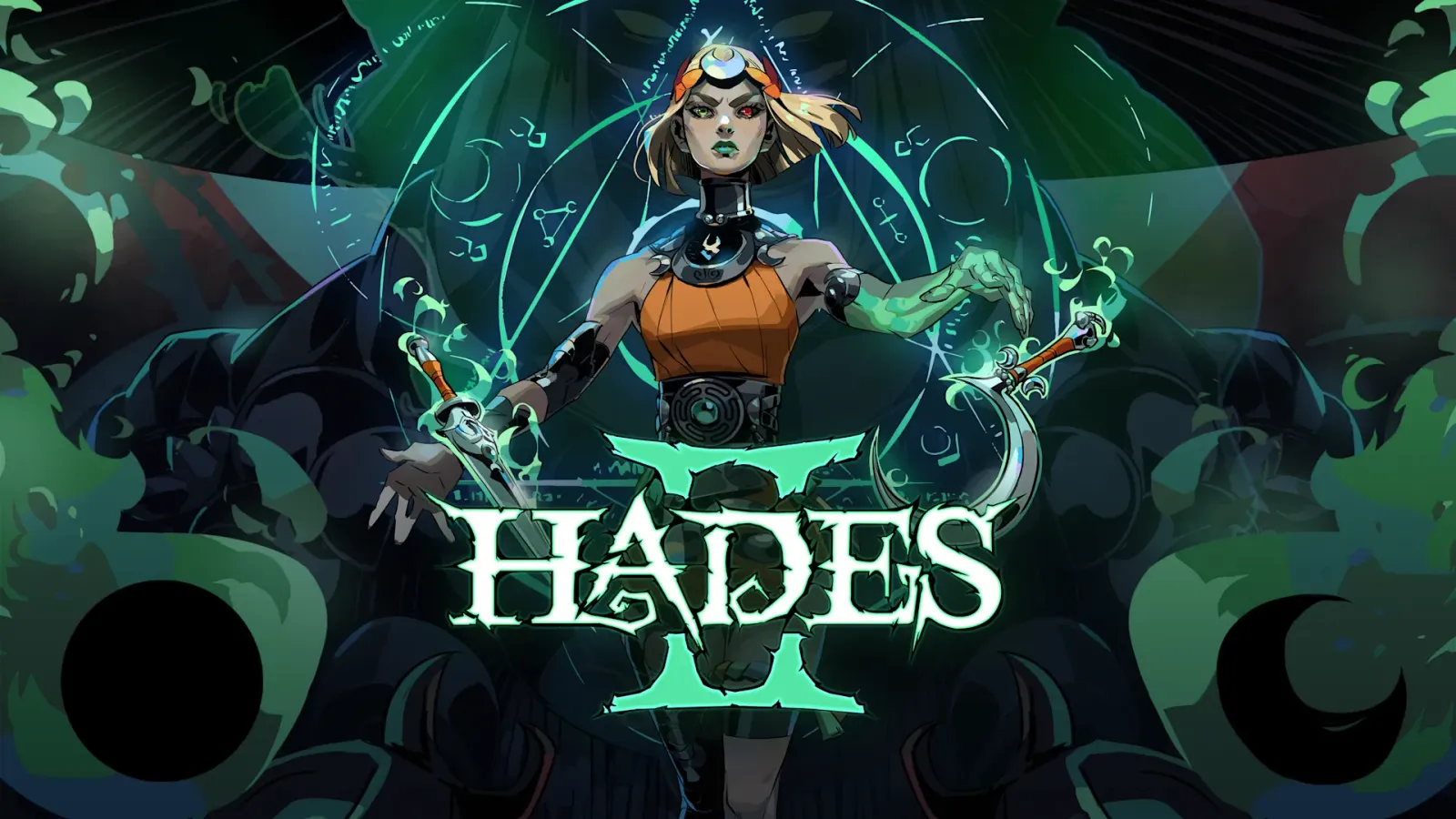
Hades II Art Design Evolution: How the Sequel Surpasses a Classic
Overview
Hades (2020) was a phenomenon in the indie game world—not just for its gameplay, but for its captivating art style.
With Hades II’s Early Access launch in 2024, Supergiant Games faced a challenging question: How do you innovate while staying true to the original?
Their answer is stunning—maintain the core aesthetic while completely upgrading tone, atmosphere, and technical execution.
This isn’t just “more content.” It’s a true artistic evolution.
Design Highlights
From Vibrant to Ethereal: A Shift in Color Palette

The First Game’s Vitality
Hades had a unique color palette—even in the underworld, everything felt alive.
Vivid reds, golds, and purples created Greek mythology’s dramatic flair. Every character looked like they stepped out of a classical mural, radiating heroic glory.
The Sequel’s Dark Poetry

Hades II ventures deeper into darkness.
Protagonist Melinoë’s journey takes place in the deeper reaches of the underworld, with a colder, more subdued color scheme.
Blue-greens, deep purples, and dark grays dominate. But it’s not simply “dark”—it carries poetic melancholy.
You can feel the design team’s deliberate creation of “light in darkness”—like fireflies in a midnight forest.
Character Design Detail Upgrades
Finer Lines, Smoother Motion
Compared to the first game, the second features more refined linework and richer details.

Particularly with protagonist Melinoë—her animations are more graceful and magical than Zagreus.
Hand-drawn quality lines, high-framerate animation, seamless transitions—every move feels like watching an animated film.
Divine Design Diversity
The sequel introduces more Greek mythological characters, each with distinct personality injected by the design team.
From Apollo’s radiant brightness to Hecate’s mysterious majesty, every character considers:
- Mythological archetype traits
- Visual recognition and distinctiveness
- Harmony with overall aesthetics
No character is designed casually. You can see the team’s obsession with detail.
Scene Design Technical Breakthroughs
Multi-Layered Visual Depth
Supergiant Games employs more complex parallax scrolling in scene design.
Foreground, midground, and background move at different speeds, creating authentic spatial depth.
You’ll find yourself frequently pausing to admire backgrounds—those dimly visible mountains, drifting mists, shimmering magical halos.
Dynamic Lighting System
The sequel adds richer lighting effects.
Fire, magic, weapon effects don’t just “glow”—they actually affect surrounding environmental brightness.
Light a torch in darkness, and wall textures gradually emerge—details you might miss during fast gameplay, but they exist and contribute to overall immersion.
UI Design Evolution
More Mature Information Architecture
The first game’s UI was already excellent, but the sequel goes further.
Menus, skill trees, and equipment interfaces are redesigned with higher information density without clutter.
Greek classical decorative elements (borders, patterns, symbols) are retained but more restrained and elegant.
Enhanced Dynamic Feedback
Every boon received, skill upgraded, or special effect triggered gets immediate UI feedback.
Not rigid number pop-ups, but animations, sound effects, and visual impact.
These details make gameplay more satisfying and help players understand their current state.
Technical Analysis
Hand-Drawn Style’s Industrialized Workflow
Hades II’s art looks very “handcrafted,” but the actual production is quite industrialized.
Base Modeling + Hand-Drawn Overlay
Characters and scenes likely start with 3D modeling for quick composition and proportion setup, then hand-drawn textures are applied over.
This hybrid workflow maintains hand-drawn quality while dramatically improving production efficiency and consistency.
Precise Frame Animation Control
Despite appearing as fluid as animated films, it’s actually carefully designed keyframe animation.
The design team meticulously adjusts rhythm, weight, and inertia for every action.
This requires extensive testing and iteration—not just “moving” but “moving beautifully.”
Creative Inspiration
Sequels Aren’t Simply “More”
Hades II proves sequels can truly innovate while preserving their predecessor’s essence.
Not piling on more content, but deepening the core experience.
For art design:
- Tonal shifts create completely different atmospheres
- Detail improvements strengthen immersion
- Technical advances free artistic expression
Importance of Style Consistency
The entire game—from characters, scenes, UI to effects—maintains remarkable style consistency.
This isn’t coincidence, but deliberate art direction established from the start.
Every element is designed within the same aesthetic framework, creating such harmony.
Details Determine Immersion
Many details go unnoticed during fast gameplay.
But they exist—character clothing creases, weapon wear marks, floating scene particles.
Good art design isn’t just “seen,” it’s “felt.”
Conclusion
Hades II isn’t just an excellent game sequel—it’s a new benchmark for indie game art design.
Supergiant Games proves small teams can surpass many AAA productions in art quality.
The key lies in:
- Clear artistic direction
- Extreme attention to detail
- Perfect balance of technology and artistry
If you’re a game artist, Hades II is a must-study case.
If you’re just a player, slow down and appreciate those meticulously crafted beautiful details.
This is a visual feast.
Related Resources: