Children of Morta: The Perfect Fusion of Pixel Art and Family Narrative
Work Overview
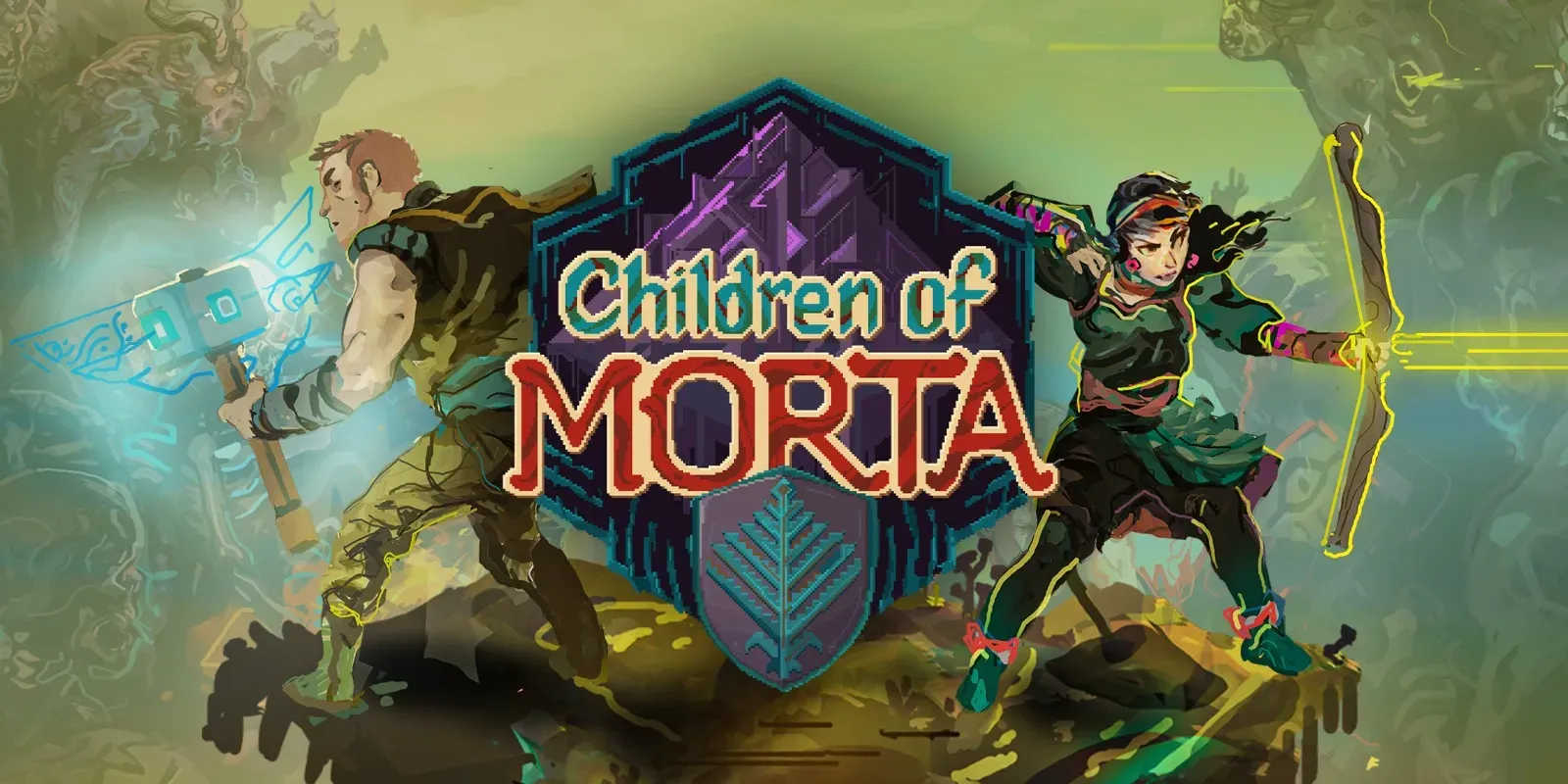
Children of Morta is an action RPG developed by Polish indie studio Dead Mage and published by 11 bit studios, released in 2019. What makes this game stand out is not only its Roguelite gameplay but also its stunning hand-drawn pixel art and emotionally rich narrative approach.
The game tells the story of the Bergson family fighting against the “Corruption.” Unlike traditional RPGs, players don’t control a single hero but take turns playing as seven family members—from sword-and-shield-wielding father John to fire-magic-using daughter Lucy, each with unique combat styles and personalities.
Core Features:
- Hand-drawn pixel art combined with modern lighting technology
- Frame-by-frame animation for fluid combat experience
- Deep emotional narrative centered on family
- Procedurally generated dungeons maintain gameplay freshness
- Steam “Overwhelmingly Positive” rating (86% positive)
This work proves that even pixel style can convey profound emotions and cinematic visual experiences.
Design Highlights
1. Ultimate Expression of Hand-Drawn Pixel Art
Children of Morta’s art style uses traditional hand-drawn pixel art, but it’s not simply retro—it integrates modern technology:
Color Usage:
- Rich color layers and gradient effects
- Each scene has unique color theme
- Corrupted areas use purple and red for oppressive atmosphere
- Home scenes use warm tones for cozy ambiance

Lighting Treatment:
- Dynamic light source system adds scene depth
- Real-time lighting from torches and magic effects
- Day-night cycles affect environmental atmosphere
- Shadow details enhance three-dimensionality
2. Fluid Performance of Frame-by-Frame Animation
The game uses frame-by-frame animation rather than skeletal animation, requiring tremendous work but delivering stunning results:
Combat Animation:
- Each character’s attacks, skills, and dodges have unique animations
- Impactful attack motions with satisfying hit feedback
- Detailed enemy hit reactions
- Perfect synchronization of effects and actions
Character Performance:
- Daily interactions of family members at home
- Subtle idle animations showcase personality
- Emotional changes conveyed through motion
- Each character has unique movement style

3. Cinematic Narrative Camera Work
The game’s narrative scenes employ cinematic camera language:
Camera Usage:
- Slow push shots emphasize emotional moments
- Close-ups reveal character expression details
- Wide shots establish scene atmosphere
- Seamless cutscene animations
Narration Design:
- Magnetic narrator voice adds epic quality
- Perfect integration of text and visuals
- Excellent narrative pacing control
- Creates emotional resonance with players
Technical Analysis
Pixel Art Production Techniques
Children of Morta’s visual effects come from perfect combination of multiple techniques:
Basic Pixel Drawing:
Core Techniques:
- Hand-draw every pixel, not auto-generated
- Maintain purity of pixel style
- Precise pixel alignment ensures clarity
- Limited color palette creates unified visuals
Modern Rendering Technology:
- Normal Mapping: Adds surface details
- Dynamic Lighting System: Real-time light and shadow calculation
- Particle Effects: Magic, fire, blood effects
- Depth of Field: Highlights focus, blurs background
Animation Production Workflow:
- Design character key pose frames
- Draw intermediate transition frames
- Adjust animation rhythm and timing
- Integrate effects and sound
- Repeatedly test and optimize
Scene Design Philosophy
Layered Composition:
- Foreground: Interactive objects, characters
- Midground: Main scene elements
- Background: Distant views establish atmosphere
Environmental Storytelling:
- Home objects reflect family history
- Dungeon design hints at worldview
- Detail elements enrich world depth
Balancing Procedural Generation and Craftsmanship
The game uses procedurally generated dungeons while maintaining visual consistency:
Design Strategy:
- Pre-designed modular scene blocks
- Hand-drawn environmental elements
- Smart algorithms ensure smooth connections
- Each playthrough feels fresh while maintaining art quality
Creation Process
Team’s Dedication
Dead Mage studio chose full hand-drawn pixel art—a difficult but worthwhile path:
Development Cycle:
- Years of careful polishing
- Each animation repeatedly adjusted
- Pursuing artistic expression over commercial speed
- Continuous updates with new content
Team Collaboration:
- Close coordination between art, programming, and music
- Iterative development ensures quality
- Community feedback influences design decisions
From Concept to Reality
Establishing Art Style:
- Decided to use pixel art to express emotional story
- Studied classic pixel games and modern technology
- Developed own art pipeline
- Established unified visual language
Overcoming Technical Challenges:
- How to express rich emotions within pixel limitations
- Balancing hand-drawing and procedural generation
- Optimizing performance while maintaining visual effects
- Creating unique visual identity
Inspiration and Learning
Valuable Experience for Creators
1. Style Limitations Spark Creativity
Pixel art constraints force creators to solve problems more cleverly:
- Use color rather than detail to convey atmosphere
- Use animation rather than textures to express quality
- Use composition rather than effects to attract attention
2. Perfect Fusion of Technology and Art
Don’t be limited by “retro” style:
- Modern tech (lighting, particles) can enhance pixel art
- Embrace new technology while maintaining core art style
- Technology serves artistic expression, not vice versa
3. Deep Integration of Narrative and Visual
Visuals are more than just background:
- Every scene tells a story
- Character animation reflects personality and emotions
- Environmental design supports narrative themes
4. Quality Over Speed
Dead Mage’s experience teaches us:
- Time spent polishing details is worthwhile
- Players can feel creator dedication
- Quality converts to word-of-mouth and long-term success
Practical Tips Extraction
For Pixel Artists:
- Study how lighting affects pixel art atmosphere
- Learn frame-by-frame animation timing and rhythm
- Build modular workflows to increase efficiency
- Find creative solutions within constraints
For Game Designers:
- Consider how art style serves gameplay
- Balance artistic ideals with technical feasibility
- Use visuals to strengthen game mechanic feedback
- Create emotional resonance beyond visual spectacle
For Indie Developers:
- Choose art style suited to team capabilities
- Establish efficient art production pipeline
- Don’t fear technical limitations—leverage them
- Continuously learn modern tools and techniques
Impact and Significance
Inspiration for Indie Games
Children of Morta proves several important points:
1. Pixel Art Still Has Strong Vitality
- In a 3D-dominated era, excellent 2D pixel games can still stand out
- Stylized art builds uniqueness better than pursuing realism
- Emotional expression doesn’t require high resolution
2. Narrative Depth Can Elevate Game Value
- Roguelites don’t have to sacrifice story
- Mechanics and narrative can mutually reinforce
- Players will pay for excellent stories and characters
3. Universal Resonance of Family Themes
- Love, sacrifice, protection are cross-cultural themes
- Multi-character design increases gameplay variety
- Emotional connections enhance replay value
Market Performance and Reception
Commercial Success:
- Steam Overwhelmingly Positive (86% positive reviews)
- Metacritic score of 82
- Multiple game award nominations
- Continuous updates maintain active player community
Player Response:
- Visual style widely acclaimed
- Story depth exceeds expectations
- Music and sound perfectly complement
- Co-op mode adds playability
Related Works
If you enjoy Children of Morta’s art style and design philosophy, explore these works:
Similar Pixel Art Style:
- Hyper Light Drifter: Gorgeous colors and fluid action
- Dead Cells: Exquisite pixel animation and combat feel
- Celeste: Perfect blend of emotional narrative and pixel art
- Owlboy: Ultimate expression of hand-drawn pixel art
Family-Themed Games:
- Spiritfarer: Heartwarming farewell theme
- The Binding of Isaac: Dark side of family relationships
- Haven: Two-player cooperative intimate relationship exploration
Action Roguelites:
- Hades: Perfect fusion of narrative and Roguelite
- Curse of the Dead Gods: Dark atmosphere and combat depth
- Enter the Gungeon: Pixel-style bullet hell shooter
Conclusion
Children of Morta is a true work of art that proves games can simultaneously have excellent gameplay and profound emotional expression. Its combination of hand-drawn pixel art, frame-by-frame animation, and modern lighting technology creates a unique and unforgettable visual experience.
Why It’s Worth Studying:
- ✅ Demonstrates modern possibilities of pixel art
- ✅ Example of deep integration of narrative and gameplay
- ✅ Inspirational case of small team creating high-quality work
- ✅ Practical textbook on balancing technology and art
Final Advice for Creators:
Whether you’re a pixel artist, game designer, or indie developer, Children of Morta offers valuable learning opportunities. It tells us: Limitations can spark creativity, quality perseverance earns rewards, emotional resonance matters more than technical showmanship.
If you’re considering creating your own pixel art game, take time to play and study this work, observe how it tells stories with every pixel, conveys emotions through animation, and creates beauty within technical constraints.
This is not just a game, but a masterclass on “creating with heart.”
Related Resources:
- Children of Morta Steam Page - Official game store
- Dead Mage Official Website - Developer team information
- Official Art Making Process - Behind-the-scenes production
- GDC Art Design Deep Dive Interview - Developer insights
Tags: #PixelArt #ChildrenOfMorta #IndieGames #VisualStorytelling #GameArt #AnimationDesign