Yanyun Sixteen Tones: Bringing Chinese Wuxia Beauty to the World Through Gaming
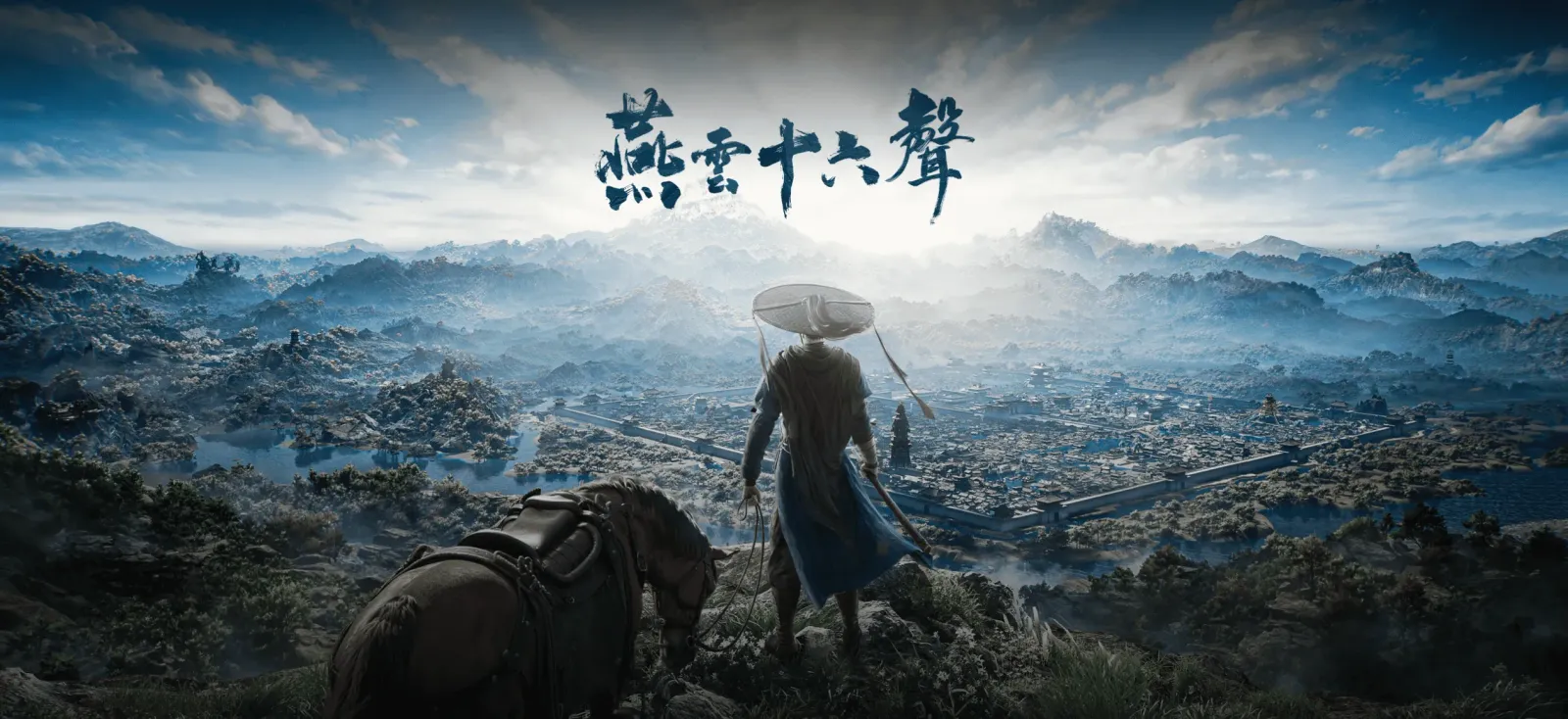
When Wuxia Culture Meets Open World
In 2024, Yanyun Sixteen Tones (Where Winds Meet) sparked global excitement. This is not just a game’s success, but an important milestone for Chinese culture reaching the world through interactive entertainment.
In a market dominated by Western AAA titles, this game proves with its wuxia aesthetics, historical depth, and innovative qinggong system that Chinese games can create unique value.

Cultural Heritage: Introducing True Wuxia to the World
The Cultural Core of Wuxia Spirit
Set in the Youzhou region during the Five Dynasties and Ten Kingdoms period, the game deeply explores wuxia cultural philosophy:
“The greatest hero serves country and people”: Protagonist searches for justice in chaotic times, quests incorporate moral choices, demonstrating the complexity of chivalry.
Jianghu rules and righteousness: NPC memory system makes actions affect reputation, simulating real interpersonal relationships.
Martial arts philosophical meaning: Different schools embody different philosophies (Tai Chi’s soft overcoming hard, sword techniques’ speed and precision)—martial arts is a spiritual journey.

Successful Cultural Export
Steam data shows over 60% of players come from non-Chinese speaking regions. Western player reviews: “First time understanding why Chinese people are fascinated by wuxia—it’s an entire value system.”
Success Factors:
- Universal visual language (rooftop running needs no translation)
- Emotional resonance of humanity (loyalty, revenge transcend culture)
- Detailed authenticity (teahouse hawking, inn menus create immersion)
Technical Innovation: Redefining Wuxia Experience
Revolutionary Qinggong System
Technical Highlights: 360-degree omnidirectional movement, dynamic physics calculation, environmental interaction using bamboo poles and flagpoles.
Design Philosophy: Let players truly learn qinggong, not simplified systems. This learning curve brings genuine sense of growth.
Combat System Strategic Depth
Diverse Combinations: 7 weapon types, multiple martial arts, supernatural techniques system, dual-weapon configuration.
Tactical Choices: Output-type, control-type, healing-type playstyles encourage experimenting with unique combat styles.
Industry Impact: Breaking Chinese Game Stereotypes
Technology & Content Breakthrough
Technical Achievements:
- Messiah Engine creates world-class graphics
- Open world comparable to The Witcher 3
- International action director Yuen Woo-ping participated in design
Content Depth: 40+ hour main storyline, 500+ NPCs each with stories, dynamic weather affects gameplay.
Business Model: Buy-to-play without microtransactions, content speaks for itself.
Inspiring Local Creation
Core Insights:
- Cultural confidence is competitiveness: Sticking to style has more recognition than pandering
- Culture cannot be replicated: Technology can be learned, but only we can tell our history
- Quality is the best strategy: Conquer players with the game itself
Player Value: Rich Content & Immersive Experience
Content Depth: Main storyline, lost chapters, adventure quests, diverse exploration activities.
World Immersion: 500+ NPCs with daily routines, distinct regional characteristics, sect systems affecting reputation.
Visual Art: Exquisite scenes based on historical research, highly customizable characters, cinematic action aesthetics.

Cultural Ecosystem: Driving Peripheral Development
Content Creator Stage
YouTube/Bilibili strategy videos, Twitch livestreaming (average 4.5-hour viewing), thriving Cosplay and fan creation.
Cultural Tourism Potential
Beijing launched “Yanyun Sixteen Tones themed routes,” players visiting game landmarks in person, boosting cultural tourism industry.
Future Outlook: New Benchmark for Chinese Games
Yanyun Sixteen Tones proves Chinese games can reach international standards in technology, content, and business, inspiring more teams to invest in mythology and historical themes.
Cultural Soft Power Display: The game lets players personally experience Chinese culture. When global players perform qinggong and comprehend martial arts, cultural understanding has already occurred subtly.
Conclusion
Yanyun Sixteen Tones uses gaming, a global language, to let the world see the beauty of Chinese wuxia, proving interactive entertainment is the most effective modern medium for cultural heritage.
When players leap across rooftops and act with chivalry, they’re not just playing a game—they’re experiencing culture and understanding values.
Take Action: Support quality Chinese games, recommend Yanyun Sixteen Tones overseas, witness the industry’s golden age.
Related Resources:
-
Yanyun Sixteen Tones Official Site
- Official game information
-
Steam Page
- Purchase and community discussion
-
Game Streams
- YouTube content
-
Wikipedia
- Detailed game information
Tags: #YanyunSixteenTones #WuxiaGames #CulturalHeritage #OpenWorld #GameDesign #ChineseGaming