Sultan's Game Visual Design Analysis: Modern Interpretation of Arabian Nights
Work Overview
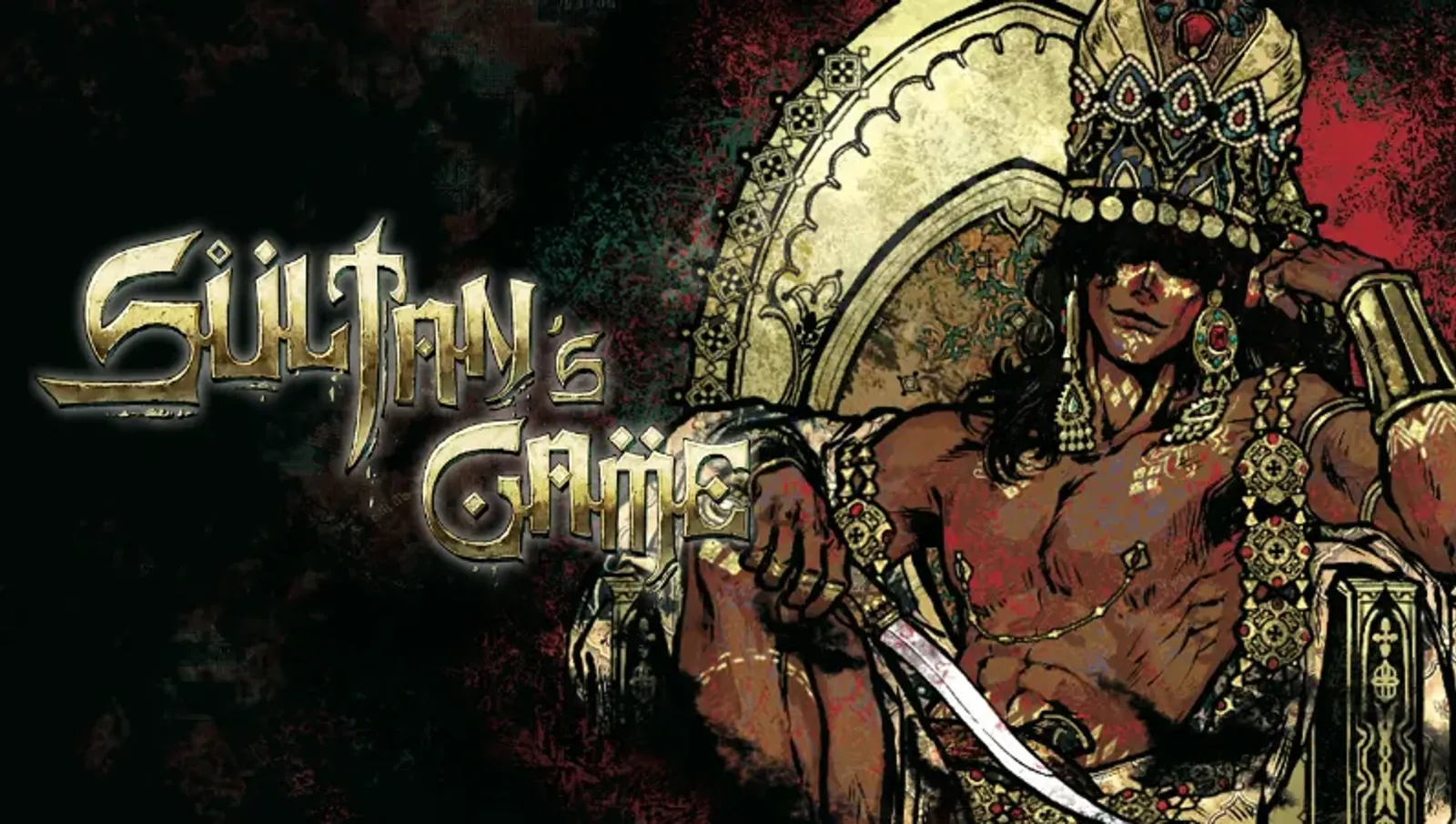
Sultan’s Game is a narrative-driven card game developed by Double Cross and published by 2P Games, inspired by Arabian Nights. Players assume the role of a minister chosen by the Sultan, who must complete challenges from drawn “Sultan Cards” within seven days—Lust, Luxury, Conquest, or Slaughter cards—or face beheading.
This work perfectly combines 2 million words of deep narrative text, card-based resource management mechanics, and exquisite Arabian-style art. The game has surpassed 1 million sales on Steam and won the INDIE Live Expo Awards 2025 “Game of the Year,” demonstrating its unique charm in visuals and storytelling.
Visual Design Highlights
1. Exquisite and Detailed Arabian Nights Aesthetics
Sultan’s Game’s visual style is completely distinct from market card games, with art design rich in cultural research and details:
Deep Integration of Arabian Cultural Elements:
- Architectural details: Palace domes, pointed arches, geometric tile patterns, intricate carvings
- Costume research: Character clothing incorporates Persian, Arabian, Ottoman Empire styles—turbans, robes, jewelry all culturally grounded
- Color usage: Extensive use of gold, purple, red, turquoise—traditional Middle Eastern colors creating luxury and mystery
- Pattern language: Islamic geometric patterns, Arabic calligraphy elements throughout UI and scene design

Scene Atmosphere Creation:
- Court scenes: Luxurious curtains, bronze lamps, Persian carpets—every corner rich with stories
- Market scenes: Spice stalls, fabric merchants, bustling crowds—full of life
- Desert and mysterious ruins: Contrast between vast desolation and ancient mystery
- Occult ritual scenes: Eerie candlelight, mysterious runes, strong visual impact
2. Live2D Dynamic Performances Breathing Life
The game uses Live2D technology to bring character portraits “alive”—this is the core highlight of visual design:
Dynamic Expressiveness:
- Characters aren’t static portraits but breathe, blink, smile, frown
- During dialogue: eye movement, head tilts, emotional changes
- Key plot moments have special action performances (reaching out, turning, shocked retreat)
Enhanced Emotional Delivery: When your wife discovers your betrayal, her gaze shifts from gentle to disappointed—this subtle dynamic change has more impact than any words. When the Sultan shows a cruel smile, Live2D makes that madness more terrifyingly real.

Market Differentiation: Most card games use static illustrations or simple flashing effects. Sultan’s Game’s Live2D application gives every character a sense of life—extremely rare in indie games, with production costs and workload far exceeding similar works.
3. Artistic Card and UI Design
Sultan Cards’ Visual Language:
- Lust Card: Rose petals, ambiguous tones, flowing lines
- Luxury Card: Stacked gold coins, gem luster, ornate decorations
- Conquest Card: Blades, flames, sharp lines
- Slaughter Card: Bloodstains, skulls, dark tones
Each card is an independent artwork—borders, patterns, colors all echo its theme. Players can identify card attributes at a glance.
UI’s Cultural Fusion:
- Interface framework adopts Arabian architecture’s arch shapes
- Buttons and decorations incorporate geometric patterns and calligraphy elements
- Information presentation clear yet aesthetically pleasing—function and art balanced
- Resource icons (money, intelligence, equipment) all meticulously designed
4. Character Portrait Diversity and Depth
The game features dozens of interactive characters, each with unique visual design:
Major Character Design Highlights:
- Wife: Gentle and elegant, simple yet refined attire, eyes conveying deep affection and trust
- Sultan: Adorned in finery, rich facial expressions—from smiles to fury, all extremely expressive
- Queen: Seductive and dangerous, bold attire, details everywhere hinting at her scheming
- Foreign merchant Balat: Exotic attire, mysterious gaze
- Poet Hassan: Refined and romantic, clothing and demeanor echoing poet identity
- Physician Samir: Gloomy and heavy, details suggesting his burden of sin
Portrait Variation System: Characters have costume, expression, even scar changes based on plot progression. When you betray someone, their portrait becomes cold; when relationships deepen, costumes and accessories have special changes. This dynamic visual feedback gives player choices more weight.
Perfect Synergy of Narrative and Visuals
Balancing Text Volume and Visuals
The game has nearly 2 million words of plot text—an enormous content volume. How to prevent player fatigue from massive text? Visual design plays a key role:
Visual Rhythm Adjustment:
- Long dialogue passages paired with dynamic character expression changes, avoiding monotony
- Key plot twists have scene transitions and special performances
- Important objects get close-ups and detail showcases
- Battle/adventure scenes use dynamic effects to enhance tension
Emotion Visualization: When plot describes “court plunged into panic,” background tones darken, lighting changes, character portraits show unease. When completing difficult challenges, screen has golden light effects, victory sounds—visual and text dual feedback multiplies sense of achievement.
Visual Presentation of Moral Dilemmas
The game’s core is extreme moral choices: To complete Sultan’s tasks, you may need to betray loved ones, kill innocents, or fall into desire’s abyss. How does visual design present this weight?
Visual Hints Before Choices: When facing the option “kill loyal servant,” the screen slightly darkens, the servant’s portrait shows trusting eyes—this visual contrast makes the decision harder.
Visual Impact of Consequences: After making dark choices, scene tones cool, character relationship interfaces show cracks, some character portraits permanently change (like wife’s eyes no longer gentle). These visual changes are silent condemnation, more powerful than any textual sermon.

Fusion of Technology and Art
Visual Ambition of Indie Team
As an indie game, Sultan’s Game’s visual quality far exceeds similar-scale works:
Resource Investment:
- Live2D dynamic portraits: Each major character requires extensive adjustment and testing
- Scene quantity: Dozens of exquisite backgrounds, each with rich details
- UI iteration: Multiple adjustments to achieve aesthetic and usability balance
- Effect production: Card drawing, battle performances, environmental effects all carefully designed
Style Unity: From character portraits, scene backgrounds, UI interfaces to card design, overall art style highly unified—no “patchwork feel” common in indie games. This requires strict art standards and quality control.
Cultural Respect and Creative Adaptation
Though inspired by Arabian Nights, the game doesn’t rigidly copy:
Cultural Research Depth: The team clearly conducted extensive Arabian culture research—architecture, costumes, patterns all referenced, but not bound by history, instead extracting essence for artistic presentation.
Fantasy Element Integration: The game adds evil god worship, magical rituals, mysterious ruins and other fantasy settings. Visually incorporates mysticism symbols, supernatural lighting effects, forming a unique magical realism style with real Arabian culture.
Conclusion
Sultan’s Game proves: Indie games can also achieve stunning visual heights.
Its success lies in:
- ✅ Cultural depth: Not surface appropriation, but artistic transformation after deep research
- ✅ Technical application: Live2D gives characters souls, not just pretty portraits
- ✅ Detail stacking: Every scene, every card carefully designed
- ✅ Narrative synergy: Visuals aren’t decoration—they’re part of storytelling
- ✅ Unique style: Establishes clear market recognition
Lesson for creators: With limited resources, clear style positioning and attention to detail matter more than blindly pursuing technology. Sultan’s Game chose a difficult but correct path—using visuals to tell Arabian Nights-style gorgeous yet cruel stories.
Related Resources:
Tags: #GameDesign #VisualDesign #CardGame #IndieGames #ArabianNights #Live2D #NarrativeDesign