Black Myth: Wukong Visual Design Analysis: The Pinnacle of Chinese Culture in Digital Art
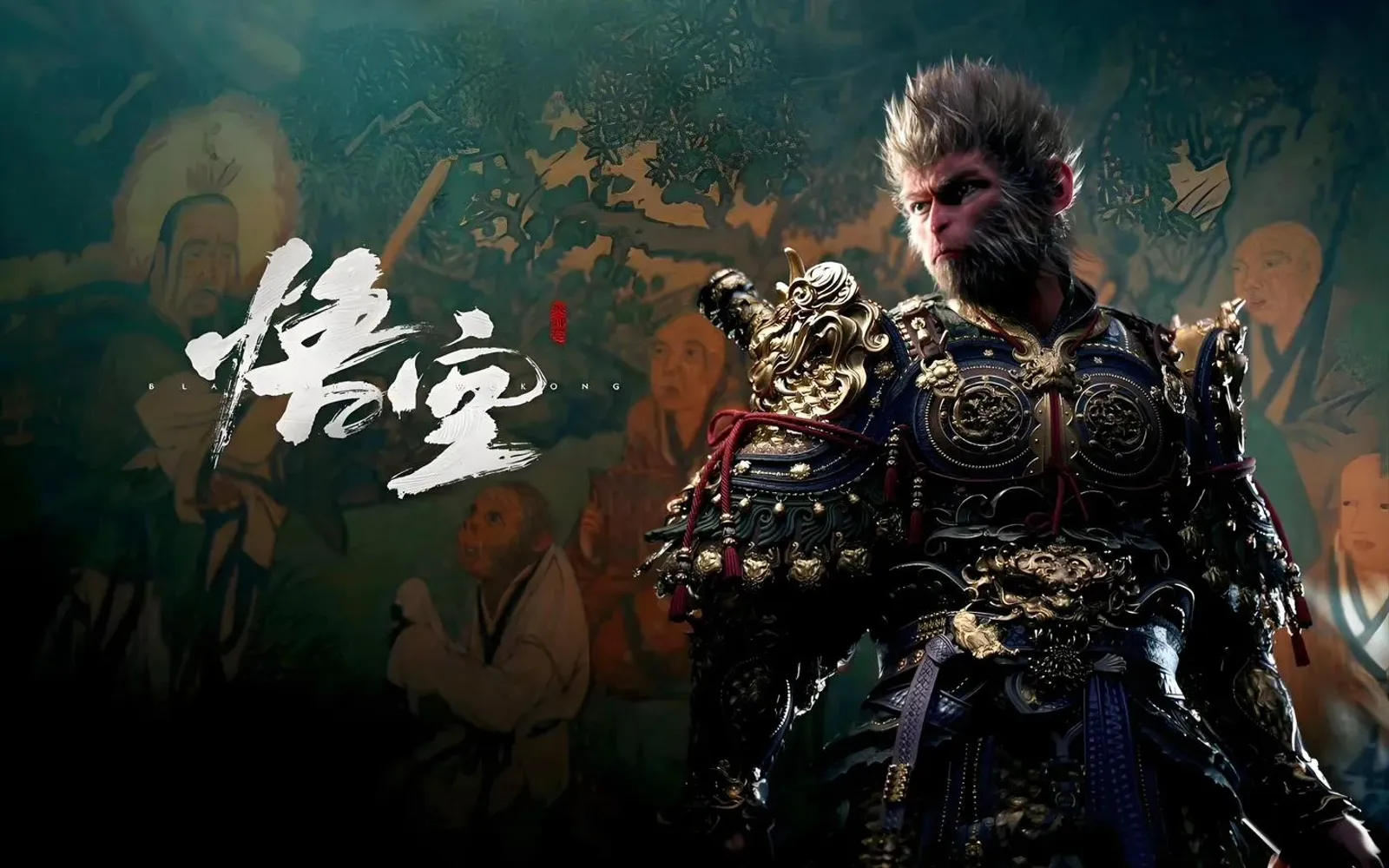
Black Myth: Wukong Visual Design Analysis: The Pinnacle of Chinese Culture in Digital Art
Why This Analysis Deserves Your Attention
On August 20, 2024, Black Myth: Wukong reached 2.2 million concurrent players within 24 hours of launch, becoming the second-highest concurrent single-player game in Steam history.
This is not just commercial success, but a historic breakthrough for the Chinese gaming industry:
- ✅ First AAA Chinese original game on the world stage
- ✅ Eastern aesthetics successfully captivating global players
- ✅ Cultural confidence conveyed to new generations through digital art
From a visual design perspective, this article analyzes how Black Myth: Wukong benefits humanity:
- Promoting Chinese cultural dissemination
- Elevating industry technical standards
- Inspiring new generation creators
- Delivering art-grade experiences to players
I. Cultural Heritage: Showing Eastern Aesthetics to the World
1.1 Digital Rebirth of Traditional Architecture
Shanxi Ancient Architecture Scanning Project: Game Science team spent 3 years scanning 27 ancient buildings in Shanxi, including:
- Foguang Temple East Hall (Tang Dynasty)
- Hanging Temple (Northern Wei Dynasty)
- Shuanglin Temple Painted Sculptures (Ming Dynasty)
- Pingyao Ancient City Streets
Technical Details:
- Used Photogrammetry technology
- 5000+ high-resolution photos per building
- 3D reconstruction accuracy to millimeter level
- Preserving wood grain, brick cracks, mural colors
Cultural Significance: Many ancient buildings face natural aging threats; the game becomes a digital museum, allowing global players to “visit” Chinese cultural heritage through gameplay.

1.2 Visualization of Mythological Narrative
Modern Interpretation of Journey to the West:
- Faithful to original: Honoring Wu Cheng’en’s classic story framework
- Visual innovation: Incorporating Song Dynasty fine brushwork, Dunhuang mural styles
- Character design: Referencing opera face painting, folk paper-cutting art
Case: Yellow Wind Sage Boss Battle:
- Scene design references Dunhuang flying apsaras murals
- Sand effects echo Silk Road imagery
- Score incorporates Western Region instruments (dutar, hand drum)
Impact: After launch, Shanxi Tourism Bureau data showed Foguang Temple visitor numbers increased 300%, with young people actively learning about traditional culture.
II. Technical Breakthrough: Advancing Industry Progress
2.1 Pushing Unreal Engine 5 to Its Limits
Graphics Technology Highlights:
Nanite Virtual Geometry:
- Each scene contains billions of triangles
- Rock and tree detail at cinematic quality
- No manual LOD (Level of Detail) creation needed
Lumen Global Illumination:
- Real-time light bounce calculation
- Sunlight filtering through leaves creating shadow variations
- Dynamic torch lighting in caves
Practical Benefits:
- Artists focus on creativity, reducing technical adjustment time by 50%
- Small teams can produce AAA-quality visuals
- Setting new benchmarks for Chinese gaming industry

2.2 Motion Capture Meets Performing Arts
Live Action Capture:
- Professional martial arts choreographers designing combat moves
- Referencing Peking Opera warrior postures (like “Qiba” “Tangma”)
- Each Boss has unique fighting style matching character personality
Technical Innovation: Game Science developed proprietary facial capture system, capturing subtle expression changes for more vivid NPC dialogue.
Industry Contribution: Technical papers shared publicly, helping other Chinese developers shorten learning curves.
III. Artistic Achievement: Cinematic Visual Experience
3.1 Poetic Aesthetics in Scene Design
Seasonal Changes: Six chapters correspond to different seasons and terrains:
- Chapter 1 (Black Wind Mountain): Autumn, red leaves, desolate atmosphere
- Chapter 2 (Yellow Wind Ridge): Desert sands, Western Region barrenness
- Chapter 3 (Little Western Heaven): Winter snow, solemn mountain temples
- Chapter 4 (Spider Cave): Summer caverns, water and light interplay
Color Usage:
- Referencing traditional Chinese painting color theory
- Cool-warm contrast creating emotional tension
- Each chapter’s dominant color corresponds to Five Elements (metal, wood, water, fire, earth)
3.2 Cultural Symbols in Character Design
Sun Wukong’s Evolution:
- Early: Simple cloth, symbolizing “mortal cultivation”
- Mid: Acquiring equipment, gradually showing “Great Sage Equal to Heaven” spirit
- Late: Golden radiance, achieving “Victorious Fighting Buddha” state
Monster Design Philosophy: Not “uglifying monsters” stereotypically, but:
- Giving each monster a backstory
- Appearance design reflecting personality and experiences
- Humanized treatment, evoking player empathy
Case: Tiger Vanguard:
- Fierce appearance but sorrowful eyes
- Story reveals tragic coercion into evil
- Players feel “tragic beauty” during battle
IV. Social Impact: Four Ways of Benefiting Humanity
4.1 Cultural Confidence: Identity for Young Generations
Observed Phenomenon: After launch, social media showed:
- Young people actively reading original Journey to the West
- Bilibili creators producing cultural explanation videos (100M+ views)
- Overseas Chinese players expressing “cultural belonging”
Educational Value: Many teachers use the game as cultural teaching aid, significantly boosting student interest.
4.2 Industry Catalyst: Employment and Economic Benefits
Direct Impact:
- Game Science team expanded from 30 to 140+ people
- Driving voice acting, music, outsourcing art industry chains
- Estimated 5000+ related jobs created
Indirect Benefits:
- Shanxi tourism revenue growth (Foguang Temple, Hanging Temple)
- Merchandise sales (figures, apparel, art books)
- Inspiring more young people to enter game development
4.3 Technical Openness: Knowledge Sharing Spirit
Game Science’s Contributions:
- Regular technical art tutorial videos
- Sharing Unreal Engine 5 optimization experience
- Open-sourcing some tool scripts
Impact: Lowering learning barriers for small-to-medium teams, advancing overall industry progress.
4.4 Player Welfare: High-Quality Entertainment Experience
No Microtransactions Commitment:
- One-time purchase, no in-app purchases
- No loot boxes, no season passes
- Respecting player time and money
Ongoing Updates: Free DLC plans, extending game longevity.
V. Artistic Appreciation: Visual Details Worth Savoring
5.1 Light and Shadow Storytelling
Case: Chapter 3 Snow Mountain Temple:
- Dawn: Morning light through wooden windows, dust particles floating (symbolizing “mortal world”)
- Noon: Snow reflecting strong light, high-contrast visuals (symbolizing “trial”)
- Dusk: Sunset dyeing snow red, warm tones (symbolizing “redemption”)
Technical Implementation: Using timeline dynamic lighting system, light changes in each Boss battle correspond to narrative emotions.
5.2 Audio-Visual Synchronization
Perfect Fusion of Music and Visuals:
- Combat climax: increased saturation + accelerating drum beats
- Exploration scenes: pipa sounds + ink painting filter
- Boss death: slow motion + chanting soundtrack + particle effects
VI. Personal Perspective: Gaming as the Ninth Art Form
Black Myth: Wukong proves: Games are not just entertainment, but cultural vessels and artistic expression.
Its success offers three insights:
-
Cultural confidence is the strongest competitiveness
No need to imitate the West; Eastern aesthetics can equally conquer global players. -
Technology and art both matter
Top technology is the foundation, cultural depth is the soul. -
Business models that benefit humanity
Respecting players and giving back to society earns lasting success.
Encouragement for creators:
- Don’t fear “niche subjects”; cultivating local culture creates uniqueness
- Invest time learning technology for massive long-term returns
- Stay true to your vision; your work will speak
Conclusion
Black Myth: Wukong’s visual design achievements:
- ✅ Cultural heritage: 20 million global players experiencing Chinese aesthetics
- ✅ Technical benchmark: Proving Chinese teams can create world-class AAA games
- ✅ Social value: Creating jobs, boosting tourism, elevating cultural confidence
- ✅ Artistic height: Elevating games to “digital art” status
This is not just one game’s success, but a collective victory for the entire industry, culture, and technology.
It tells all creators:
Persist in quality, respect culture, leverage technology—games can benefit millions.
2024 saw the Chinese gaming industry write a new chapter.
2025 awaits more excellent works to emerge.
Related Resources:
- Black Myth: Wukong Official Website - Game introduction and latest news
- Steam Page - Player reviews and community discussion
- Unreal Engine 5 Tech Blog - Learn next-gen game development technology
- ArtStation Learning - Advanced game art tutorials
- Game Science Official Bilibili - Behind-the-scenes development and technical sharing
Tags: #BlackMythWukong #GameArt #VisualDesign #EasternAesthetics #ChineseCulture #ArtAnalysis