Monument Valley Visual Design Analysis: How Optical Illusion Tells Stories
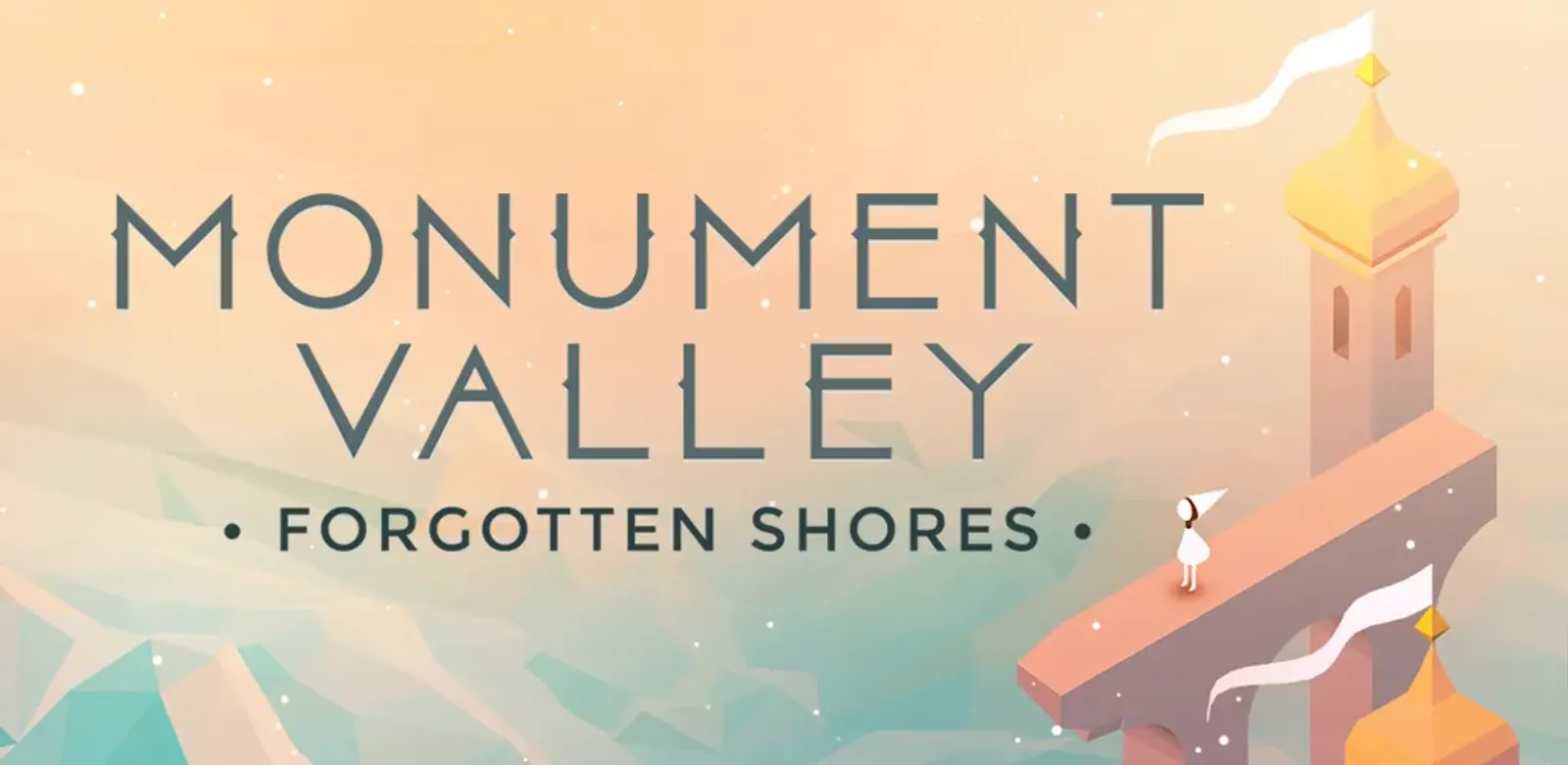
Monument Valley Visual Design Analysis: How Optical Illusion Tells Stories
Work Overview
In 2014, British studio ustwo games released Monument Valley.
10 levels, 2 hours of gameplay, yet won the Apple Design Award, BAFTA Best British Game, with over 26 million downloads worldwide.
Inspired by M.C. Escher’s impossible geometry, Japanese architectural minimalism, and Islamic geometric patterns—fused into a dreamlike visual experience.
No complex gameplay, just quiet exploration, elegant puzzles, and poetic atmosphere. This is a visual journey about forgiveness and redemption.

Design Highlights
Impossible Geometry: Interactive Escher
Escher is famous for “impossible architecture.” Monument Valley transforms static artworks into interactive 3D spaces.
Rotate parts of buildings, and suddenly disconnected paths connect. From one angle it’s broken, from another it’s whole.
Core mechanism: Isometric projection eliminates perspective, making visual deception possible. What you see as “connected” is just visual overlap, not real 3D connection.
Players aren’t “solving puzzles” but reunderstanding space. That “Aha! It works this way!” epiphany is the core pleasure.
Minimalist Color Palette: Color as Emotion
Each level has one theme color: Pink (warm opening) → Deep blue (mysterious exploration) → Dark purple (sorrowful reflection) → Pure white (redemptive purification).
Colors follow 70-20-10 rule, low saturation creates dreamlike feel, contrasting colors guide interactive elements.
Colors correspond to narrative emotional arc: Warm → Cool → Pure, players subconsciously feel the journey from guilt to forgiveness.

Silent Narrative: Visual & Auditory
Protagonist Ida has minimalist design: white pointed hat, geometric form, no facial details. Emotions conveyed through movement: standing high (hesitation), running (escape), slow walking (acceptance).
Totem People (black crow silhouettes) symbolize Ida’s past sins, disappearing when geometry is returned—completing forgiveness.
Sound design: Rotating buildings produces scale changes, like a music box. Puzzling is visual + auditory pleasure, feeling like “playing an instrument.”

Technology & Business
Development: Unity engine, 55 weeks, core team of 8. Cost $1.4 million, revenue over $14 million (10x return).
Technical breakthrough: Pathfinding based on camera perspective not actual coordinates, allowing characters to walk on “visually connected but actually disconnected” paths.
Design Philosophy
Lead Designer Ken Wong: “We wanted to make a game you’d want to screenshot as wallpaper.”
Core principle: Respect player’s time
- Carefully designed 10 levels, no filler
- One-time purchase ($3.99), no ads or IAP
- No death penalty, smooth pleasant experience
Commercial success: Proved mobile games can profit through quality + premium model, not needing free + IAP traps.

Three Insights
1. Embrace Constraints
Small mobile screen + touch controls → created elegant interaction. Constraints aren’t obstacles, they’re creative starting points.
2. Style Over Technology
Didn’t use cutting-edge 3D tech, but clear art direction: unified geometric aesthetic + careful color schemes + restrained details. Taste matters more than showing off.
3. Less is More
10 meticulously crafted levels beat 50 hours of filler. Density matters more than length.
Conclusion
Monument Valley proves: games can “exist purely for beauty.”
No complex combat or progression systems, pure visual enjoyment + elegant interaction is enough. Like visiting an art gallery, each level is an interactive painting.
For creators: Don’t fear making “small but beautiful” works.
The market chases big productions, but there are always players craving quiet, elegant, tasteful experiences. $14 million revenue proves this market exists.
Create the beauty you believe in, someone will appreciate it. Art needs no reason, beauty needs no explanation.
Related Resources:
- Monument Valley Official - Game official website
- ustwo games - Development studio
- GDC Talk: Design Philosophy - Ken Wong shares creative vision
- M.C. Escher Official - Learn about Escher’s art
Tags: #MonumentValley #VisualDesign #OpticalIllusion #GameArt #Minimalism #IndieGames