Dead Cells Art Analysis: How Pixel Art Redefined Fluidity in 2018
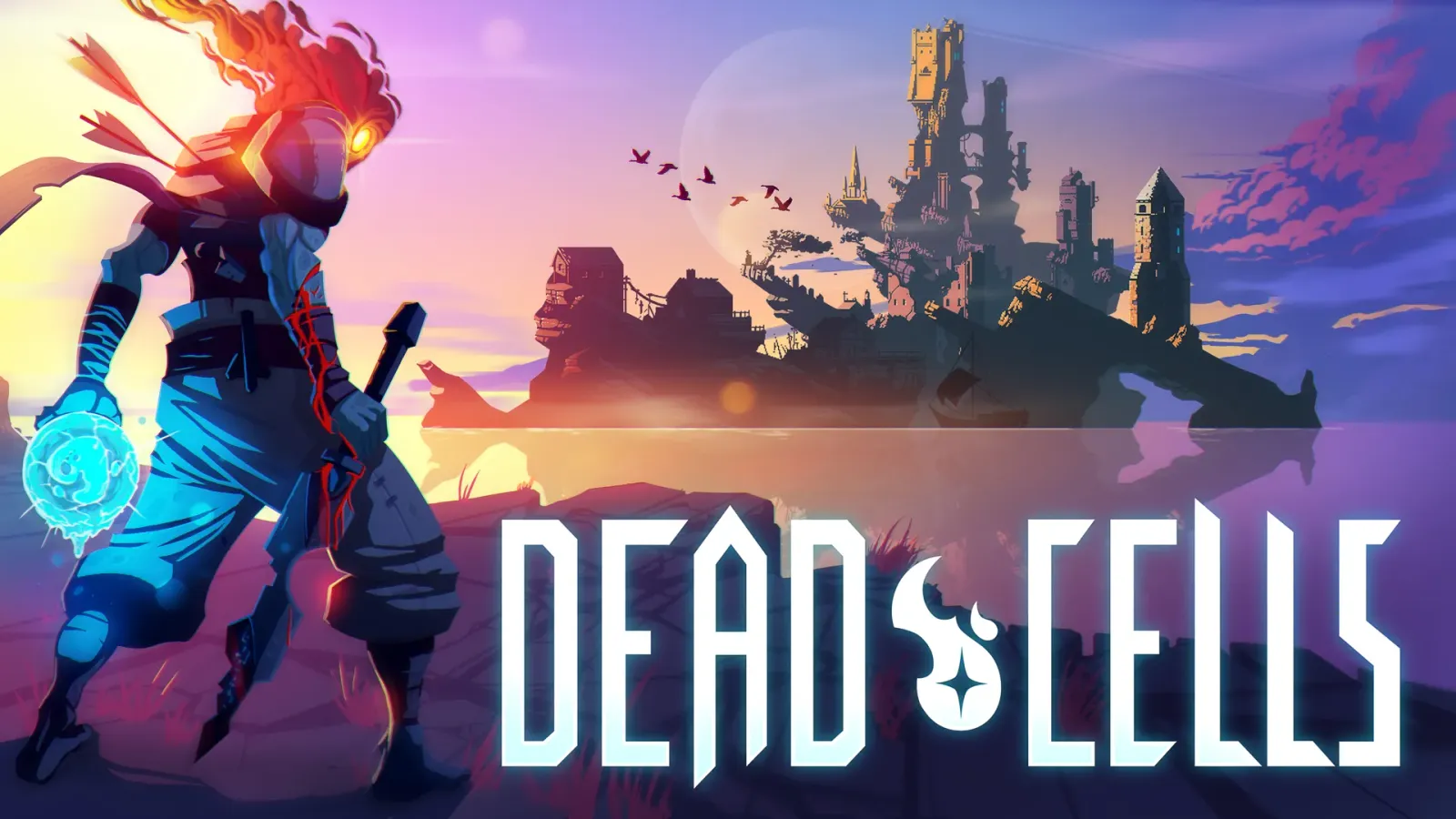
Dead Cells Art Analysis: How Pixel Art Redefined Fluidity in 2018
Work Overview
In 2018, French indie studio Motion Twin released Dead Cells.
This wasn’t another “retro pixel game.”
This was pixel art 2.0—high frame-rate animation, dynamic lighting, particle explosions, satisfying impact feel, all rendered in pixels.
Roguelike + Metroidvania gameplay, 50+ weapons, procedurally generated levels, Dark Souls-level difficulty—but what impressed most was the silky-smooth pixel animation.
The development team spent a year ensuring each weapon’s swing animation would “feel right.”
Over 10 million copies sold, The Game Awards 2018 Best Action Game winner, proving: pixel style isn’t outdated—it’s waiting for the right interpretation.
Design Highlights
Fluid Animation: Pushing Pixel Limits
Dead Cells’ core visual feature: ultra-smooth 60 FPS pixel animation.
Traditional pixel games typically use 8-12 animation frames (cost-saving). Dead Cells uses 24-30 frames for major actions—nearly hand-drawn animation standards.

Why so ambitious?
The protagonist’s dodge roll, weapon swings, jump landings—each action has multiple easing frames (ease-in/ease-out), creating acceleration and inertia.
A two-handed sword swing: windup → charge → swing → recovery, each phase with smooth transitions. Enemy hit reactions with hit-stop (impact pause), blood spray direction, corpse flight arc—all meticulously designed.
This isn’t “retro pixels”—this is modern animation using pixel medium.
Particle Effects: Glamour Pixels Shouldn’t Have
Dead Cells’ most stunning visual element: abundant dynamic particle effects.
- Fire grenade explosion: sparks scattering, smoke rising
- Freeze weapon impact: ice crystals shattering, cold mist spreading
- Electric trap activation: lightning chains, arc jumping
- Character death: cells scattering, green liquid spraying
Every effect is procedurally generated pixel particles—abundant, naturally moving, richly colored.
Traditional pixel games fear too many particles create visual noise. Dead Cells solved this with layered rendering + dynamic transparency:
- Background layer: static environment
- Midground layer: characters and enemies
- Foreground layer: particle effects (semi-transparent)
- UI layer: health bars, skill cooldowns
Even with 20 enemies + 10 effect types simultaneously active, everything remains clearly distinguishable.

Color and Lighting: Beyond “8-bit Palette”
Dead Cells’ color usage is completely modernized.
Early pixel games, limited by hardware, used only 16-256 colors. Dead Cells has no such restriction but deliberately retains pixel texture + modern color gradients:
- Gradient shadows: Walls have subtle light-dark transitions
- Dynamic light sources: Torches illuminate surroundings, shadows shift with player movement
- Environmental tones: Prison (cold gray-blue), Sewers (decaying green), Clock Tower (warm orange)
- Color saturation: Enemies sharply contrast backgrounds—never obscure player vision
Scene lighting responds in real-time to torches, explosions, and other dynamic light sources through sophisticated shader programming, creating atmospheric depth—requiring significant technical investment for 2D pixel games.

Combat Design: Dark Souls Precise Impact Feel
Dead Cells is called “2D Dark Souls” not just for difficulty, but for impact feel design.
Every attack includes:
- Wind-up animation: Lets players and enemies “see” what’s coming
- Hit-stop: Screen pauses 0.05 seconds on impact, intensifying collision feel
- Knockback and shake: Enemies fly back, screen subtly vibrates
- Sound coordination: Metal clashes, bone cracks, flesh tears
The protagonist’s dodge roll has invincibility frames, but timing is tight—requiring precise rhythm mastery, like Dark Souls’ “learn the pattern, git gud.”
This precision demands perfect animation-hitbox synchronization, each weapon requiring individual adjustment.
Technical Analysis
Core Tech Stack
- Engine: Custom engine (based on Haxe language)
- Animation system: Hand-drawn frame-by-frame + skeletal animation hybrid
- Particle system: Procedural generation + physics simulation
- Level generation: Prefab blocks + random assembly
- Rendering: Layered 2D rendering + post-processing effects (bloom, chromatic aberration, screen shake)
Development Challenges
1. Animation Workload
50+ weapons × average 20 animation frames = over 1000 animation sequences
Art team used modular design to reduce workload: arm swings, weapon trajectories, effect bursts created separately, combined for use.
2. Balancing Visual Spectacle with Gameplay Clarity
Too many effects obscure enemy attacks. Solution:
- Enemy attack telegraphs use high-contrast colors (red warnings)
- Player character always the brightest screen element
- Particle effects avoid character center area
3. Procedural Generation Visual Consistency
Random levels easily create “patchwork feel.” Motion Twin used hand-crafted prefab blocks, ensuring each room has design intent, then algorithmically assembled.
Art Style Evolution
Early prototype (2015) was rough 8-bit style.
Playtest feedback: “Combat is good, but visuals are too ugly.”
The team decided to keep pixel style but dramatically increase detail density:
- Characters upgraded from 16×16 to 32×32 pixels
- Backgrounds added multi-layer parallax scrolling
- Added dynamic lighting and particle systems
Result: Retained pixel charm while achieving modern visual standards.
Creative Process
Motion Twin originally made web and mobile games. In 2014, they decided to create a “hardcore, ultra-niche, pixel art, extreme difficulty” passion project.
They evolved Dead Cells from Die2Nite (zombie tower defense), cutting preparation phases, strengthening combat action, ultimately becoming a pure Roguelike action game.
Early Access testing (2017-2018) played a crucial role:
- Player feedback “this weapon feels off” → animation remade
- Players complained “can’t see attacks” → adjusted effect transparency
- Players suggested Boss Cell mechanic → became core gameplay
40-50% of final game features came from player suggestions.
Team motto: “If players solve puzzles on second or third try—no frustration, only discovery joy.”
Insights & Learning
1. Style Constraints Spark Creativity
Choosing pixel style isn’t laziness—it’s pursuing excellence within constraints. Focus on your strengths, push them to limits.
2. Impact Feel = Detail Accumulation
Fluid animation, hit-stop, sound, vibration, particles—each detail reinforces “satisfying feel.” Good feedback isn’t one feature, it’s systematic design.
3. Early Testing Value
Motion Twin used Early Access for player-involved development, avoiding isolated creation. Open-minded acceptance of criticism lets work evolve.
For indie creators: Your constraints might be your advantage. Pixel style has low cost, fast iteration—focus on perfecting core experience, visual style will naturally shine.
Personal Perspective
Why is Dead Cells so special?
Because it proves pixel art’s future isn’t nostalgia—it’s evolution.
Many pixel games use “retro” as an excuse for rough visuals and stiff animations. Dead Cells shows: pixels are a medium, not a limitation.
60 FPS animation, dynamic lighting, particle explosions, precise impact feel—these “modern techniques” can perfectly integrate into pixel aesthetics.
The key is respecting players’ eyes. Don’t use “retro style” to excuse laziness—ask yourself: How good can I make this within these constraints?
For creators: Choosing a style is easy; maintaining standards is hard.
The Dead Cells team spent a year adjusting weapon animations, countless times remaking effect systems, repeatedly testing hit-stop durations—details players might not articulate but definitely feel.
Good visual design is honest. It doesn’t lie, doesn’t cut corners. Every frame says: we care.
Conclusion
Dead Cells is a modern textbook for pixel art.
It proves: constraints aren’t excuses—they’re creative starting points. Pixel style can be fluid, spectacular, precise, modern.
For all creators making pixel games: Don’t settle for “looks like a retro game”—pursue “this is what pixel art should be”.
Technology advances, tools improve, but dedication to detail and respect for player experience—these never go out of style.
Dead Cells proved with 10 million sales: achieve excellence, the market responds.
Related Resources:
- Dead Cells Steam Page - Official game page
- Dead Cells Official Site - Developer’s official website
- GDC 2019 Talk - Weapon design and animation production
- Motion Twin Official - Development studio
- Weapon Design Deep Interview - Gamasutra exclusive
Tags: #DeadCells #PixelArt #GameArt #AnimationDesign #IndieGames #VisualDesign