Cuphead Art Analysis: How Two Brothers Revived the 1930s Animation Golden Age
Cuphead Art Analysis: How Two Brothers Revived the 1930s Animation Golden Age
Work Overview
In 2017, Canadian indie studio Studio MDHR’s Cuphead shocked the gaming world.
Not for innovative gameplay, but because—every frame is hand-drawn watercolor animation.
Brothers Chad and Jared Moldenhauer spent seven years using the most traditional methods: pencil sketches, ink tracing, watercolor painting, frame-by-frame scanning.
Over 50,000 hand-drawn frames, perfectly recreating 1930s rubber hose animation style.
Nearly impossible in modern game development, but they did it.
Design Highlights
Perfect Recreation of 1930s Rubber Hose Animation
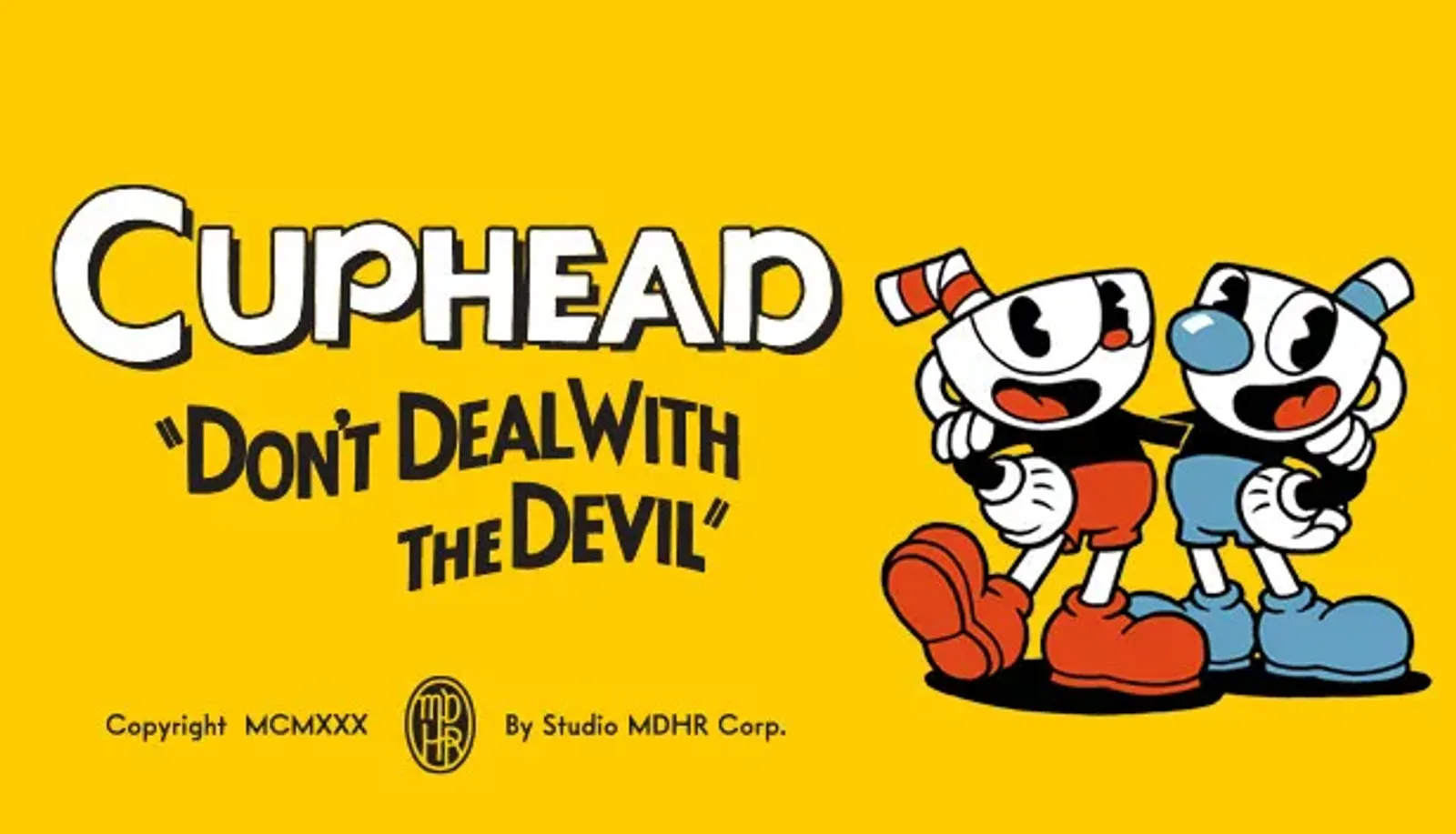
Cuphead pays homage to the 1930s animation golden age—early Disney’s Mickey Mouse, Betty Boop, Popeye era.
Rubber hose animation signature: character limbs soft, exaggerated, elastic like rubber hoses.
But Cuphead doesn’t just “reference”—it completely recreates, including production methods:
- Pencil sketches on paper
- Ink tracing
- Hand watercolor painting
- Digital scanning
- Old film grain effects

One Boss battle requires thousands of hand-drawn frames. Completely cost-ineffective in commercial games, but created unique visual experience.
Color and Old Film Texture
Watercolor soft blending, warm beige tones, thick black outlines—perfectly recreating 1930s color aesthetics.
More impressive are the “flaws”:
- Vignetting at frame edges
- Random grain and scratches
- Occasional jitter and flicker
Not bugs, but deliberate artistic choices. Making you truly feel like watching a ninety-year-old film.
Insanely Creative Design
Protagonist Cuphead: head is a cup (liquid sloshes), Mickey Mouse-style gloves, rubber hose limbs, perpetual smile.
Boss designs even crazier: transforming flowers, crazed carrots, dice king, snake-haired gorgon… Each Boss has 3-5 transformation phases, each phase is complete hand-drawn animation.
Music equally meticulous: real jazz band recording Big Band Jazz, Ragtime and Swing styles perfectly syncing with visuals.

Technical Analysis
Staggering Workload
- 7 years development
- 50,000+ hand-drawn frames
- Core team started with 2 people
- Brothers mortgaged their houses
Hand-drawn animation typically 24fps, but games need 60fps. Solution? Main actions use 12-15fps hand-drawn, supplemented with motion blur. This “deliberate choppiness” actually feels more like 1930s animation.
Technically uses Unity engine integration, but core remains frame-by-frame handcrafted.
Creative Process
Chad Moldenhauer said: “We wanted to revive 1930s aesthetics.”
They visited libraries for old magazines, collected original animations, learned watercolor techniques. Seven years development, mortgaged houses, nearly bankrupt midway, finally completed with Xbox support.
Not nostalgia, but ultimate homage to lost aesthetics.
Three Insights
1. Style is Core Competitive Advantage
Traditional gameplay, but unique art makes it stand out from thousands of games.
2. Constraints Spark Creativity
Hand-drawing constraints forced creative solutions. Embrace constraints, don’t escape them.
3. Passion Overcomes Difficulties
Seven years, mortgaged houses, 50,000 frames—passion sustained them through it all. Do what you truly love.
For indie creators: don’t need big company resources, need unique perspective and persistence. Focus on strengths, find right people to fill gaps.
Some things are worth doing the hard way.
Personal Perspective
Why does Cuphead move people?
Because every frame has human touch.
In the AI generation and rapid iteration era, they chose the slowest, most expensive, most difficult method. Watercolor bleeds, line tremors, imperfect alignments—these “flaws” prove: this was made by humans, not algorithms.
Not everything needs efficiency. Some things are worth doing slowly, like hand-pour coffee, handmade leather. Slow, but with soul.
For creators: facing doubts of “too slow,” “no market,” “AI is faster,” remember Cuphead.
Seven years development, mortgaged houses, countless moments of wanting to quit—but they persevered. Now 6 million copies sold globally, countless awards, Netflix animated series.
Stick to the aesthetic you believe in, even if the world thinks you’re crazy. Good work—time proves everything.
Conclusion
Cuphead is a love letter to a bygone era and proof of craftsmanship value.
It demonstrates: hand-drawn animation viable in modern games, small teams can beat big companies, passion overcomes technical limits.
Reminder for all creators: In an era of AI-generated everything, some beauty can only be drawn slowly by hand.
Related Resources:
- Cuphead Steam Page - Official game page
- Studio MDHR Official Site - Development team website
- Making-of Documentary - The Art of Cuphead
Tags: #Cuphead #HandDrawnAnimation #GameArt #RetroStyle #IndieGames